Planning for the future can often feel overwhelming, but the Beneficiary Planner form serves as a vital tool to simplify this process. Offered by Colonial Penn Life Insurance Company, this form is designed specifically for policyholders, helping them communicate their wishes and important information to loved ones. It provides a structured way to document essential details, such as the location of important papers, outstanding bills that need attention, and accounts that should be closed. By filling out this planner, individuals can ensure that their family members or friends are well-informed about what needs to be done after they pass away. The form encourages users to share this information with a trusted person, keeping it in a safe place for future reference. Additionally, it emphasizes the importance of periodically reviewing and updating the information, making it a living document that evolves with your circumstances. This thoughtful planning not only aids in organization but also brings peace of mind, knowing that your wishes are clearly outlined for those you care about, including any furry companions who may depend on you.

How to Use Your
Beneficiary Planner
This unique Beneficiary Planner has been prepared for
you by Colonial Penn Life Insurance Company, as a special service to our policyholders. It has been designed to make it
very easy for you to tell a family member or friend where things are...
and what your wishes may be after you pass away. This helpful planning guide provides room for you to fill in such vital information as...
♦Where your important papers are;
♦What needs to be taken care of;
♦What bills need to be paid or accounts cancelled;
♦And much more.
Please take some time to complete the information in this valuable resource guide. (If you need additional room in specific areas, you can add a sheet of paper.) Then, be sure to go over the information with a trusted family member or friend, put this guide in a safe place, and tell that person where the safe place is for their future reference. We also recommend that you review the information periodically and keep it
Preparing this information is a helpful way for you to get organized. Plus, it will be a great help to your family, your friends, and even your pets.
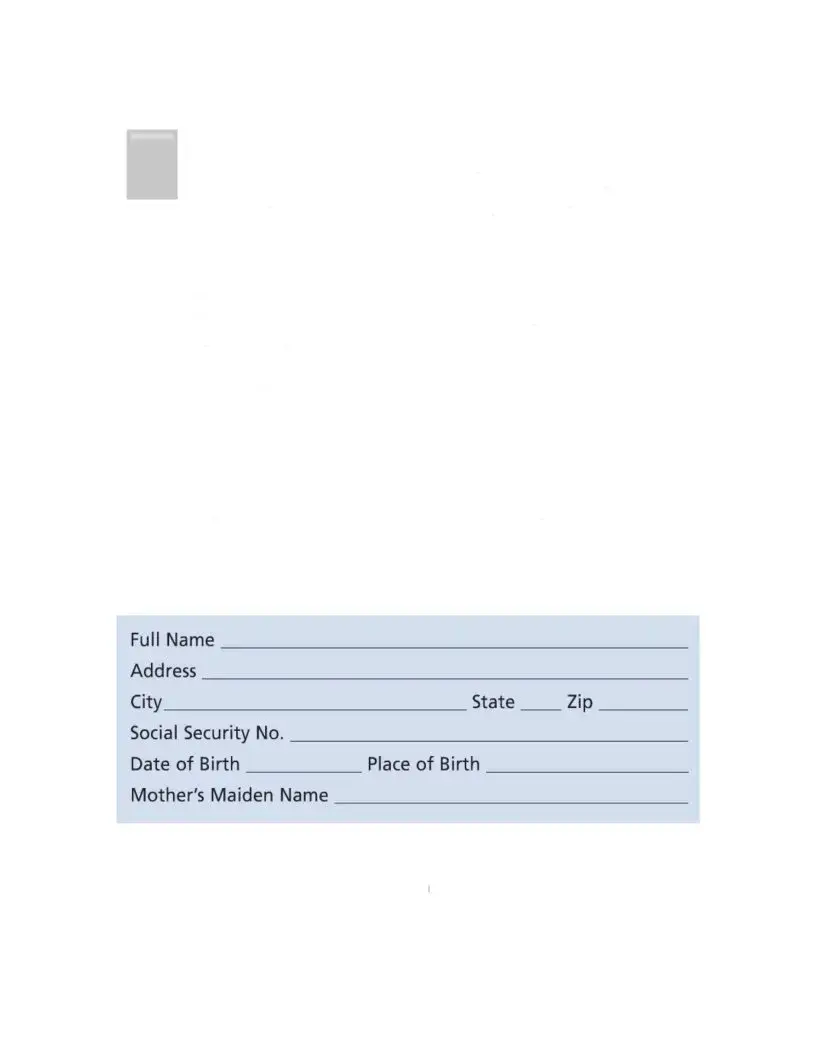
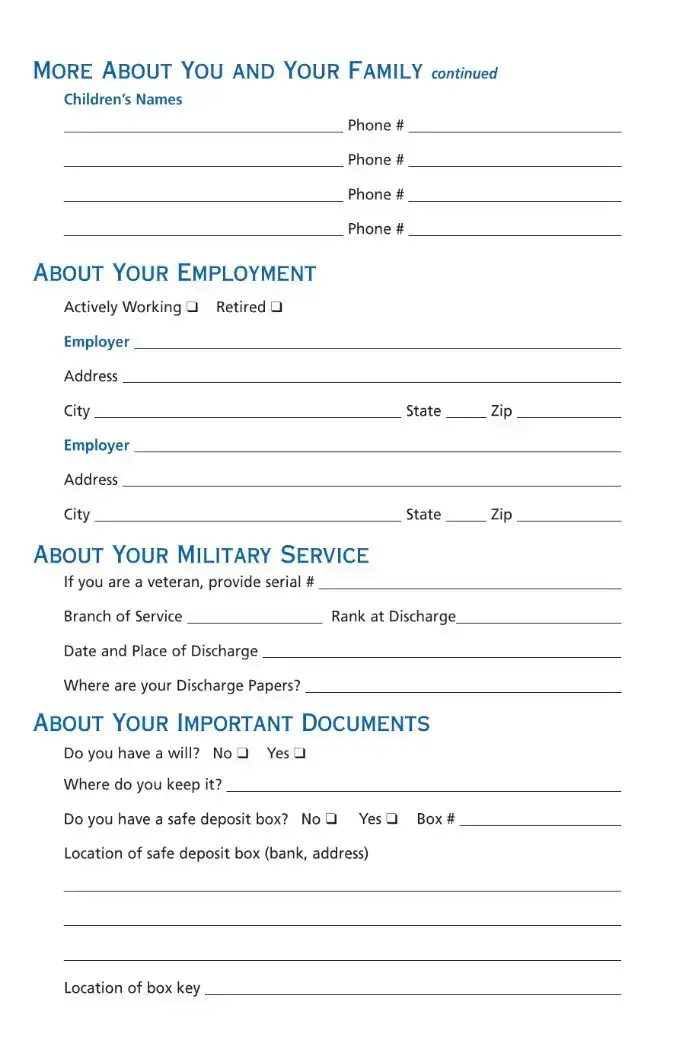
More About You and Your Family
Single Married Widow/Widower Divorced
Name of Spouse
Maiden Name
Number of Children




| Fact Name | Description |
|---|---|
| Purpose | The Beneficiary Planner form is designed to help individuals communicate their wishes and important information to family members or friends after their passing. |
| Provider | This form is provided by Colonial Penn Life Insurance Company as a service to its policyholders. |
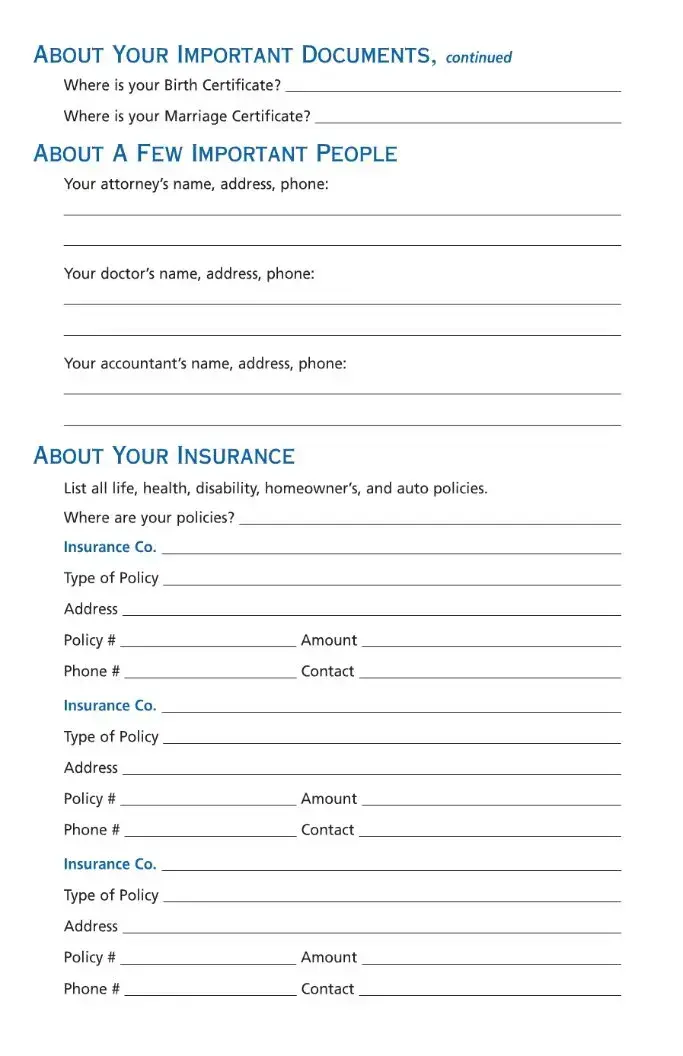
| Content | It includes sections for vital information such as the location of important papers, outstanding bills, and accounts that need to be managed. |
| Additional Space | If more space is needed, users can attach an additional sheet of paper to provide further details. |
| Review Recommendation | Users are encouraged to periodically review and update the information in the planner to ensure it remains accurate. |
| Family Involvement | It is advisable to discuss the completed planner with a trusted family member or friend for clarity and support. |
| Safe Storage | After completing the form, it should be stored in a safe place, and the location should be communicated to a designated person. |
| State-Specific Forms | Some states may have specific laws governing the use of beneficiary planners; users should check local regulations. |
| Who Can Use It | The planner is suitable for individuals of various marital statuses, including single, married, widowed, or divorced. |
Completing the Beneficiary Planner form is an important step in organizing your personal affairs. By filling out this form, you provide essential information that can guide your loved ones in the future. After you finish, it’s wise to discuss the details with a trusted family member or friend. This ensures that your wishes are understood and that the necessary steps can be taken when the time comes.
The Beneficiary Planner form is designed to help you organize important information regarding your affairs. It allows you to specify where your important documents are located, outline your wishes, and identify what needs to be done after your passing. This form serves as a guide for your loved ones, making a difficult time easier for them.
Filling out the Beneficiary Planner is straightforward. Start by reviewing the sections provided in the form. You can include information such as:
If you require more space for certain areas, feel free to attach additional sheets of paper. Once completed, review the information with a trusted family member or friend.
It is advisable to share the completed Beneficiary Planner with a trusted family member or close friend. This person should be someone who can act on your behalf and knows where to find the planner when needed. Ensure that they are aware of the safe place where you store the form.
Regularly reviewing and updating the Beneficiary Planner is important. Life circumstances can change, such as marriage, divorce, or the birth of a child. Aim to review the information at least once a year or whenever a significant life event occurs to ensure that your wishes remain current.
If you find that certain sections of the Beneficiary Planner do not provide enough space for your information, you can attach additional sheets of paper. Just make sure to label them clearly so that your loved ones can easily understand the context.
Having a Beneficiary Planner is crucial for several reasons. It helps you get organized and ensures that your wishes are clearly communicated. This resource can significantly ease the burden on your family and friends during a challenging time, allowing them to focus on grieving rather than sorting through your affairs.
Filling out the Beneficiary Planner form can be a straightforward task, but many people make common mistakes that can lead to confusion later on. One frequent error is not providing complete information. It’s essential to fill in all sections of the form. Leaving blanks can create uncertainty about your wishes.
Another mistake is failing to update the form regularly. Life changes, such as marriage, divorce, or the birth of a child, can affect your beneficiaries. If you don’t revise the document to reflect these changes, it might not align with your current situation.
Some individuals neglect to discuss their plans with family members or friends. This can lead to misunderstandings or disputes after your passing. Sharing your wishes with someone you trust ensures that your intentions are clear and can help prevent conflicts.
Inaccurate contact information for beneficiaries is another common issue. Make sure to include correct names, addresses, and phone numbers. If the information is outdated or incorrect, it may hinder your loved ones from accessing what you intended for them.
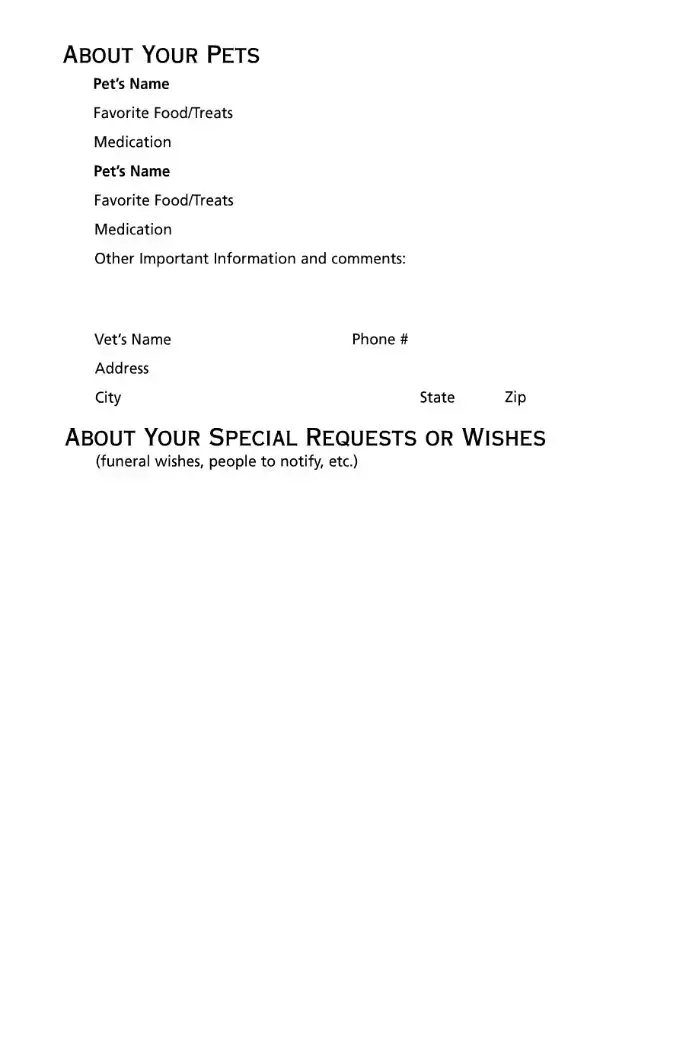
Many people also forget to specify what should happen to their pets. Including instructions for pet care can be crucial for their well-being. Without clear guidelines, your pets may not receive the care you wish for them.
Some individuals overlook the importance of storing the form in a safe location. If the Beneficiary Planner is misplaced or inaccessible, your loved ones may struggle to find it when needed. Choose a secure spot and inform someone you trust about its location.
Another mistake is not taking the time to review the form with a trusted individual. Discussing your choices can provide clarity and ensure that all parties understand your wishes. This conversation can also reveal any overlooked details.
Failing to include specific instructions for bills and accounts is a common oversight. Clearly outlining what needs to be paid or canceled can help ease the burden on your loved ones during a difficult time.
Some people may not realize the importance of writing down where important papers are stored. This information is vital for your beneficiaries to locate necessary documents quickly. Be thorough in detailing the locations of wills, insurance policies, and other essential papers.
Lastly, a lack of organization can lead to confusion. Taking the time to complete the Beneficiary Planner thoughtfully and thoroughly can significantly ease the process for your loved ones. It’s a small effort that can make a big difference in their lives.
When planning for the future, the Beneficiary Planner form serves as a crucial tool for organizing your wishes and important information. However, it often works best in conjunction with other documents that can help ensure your intentions are clear and legally recognized. Below is a list of common forms and documents that complement the Beneficiary Planner.
By utilizing these documents alongside the Beneficiary Planner form, you can create a comprehensive plan that addresses your needs and those of your loved ones. Taking these steps not only provides clarity but also eases the burden on family and friends during a difficult time.
The Beneficiary Planner form serves as a vital tool for organizing important information and wishes regarding your affairs after you pass away. Several other documents share similar purposes, helping individuals communicate their preferences and ensure their loved ones are informed. Here are seven documents that are similar to the Beneficiary Planner form:
Each of these documents plays a crucial role in ensuring your wishes are respected and that your loved ones are well-informed during a difficult time. Taking the time to prepare and share this information can provide peace of mind for both you and your family.
When filling out the Beneficiary Planner form, there are several important considerations to keep in mind. Here is a list of things you should and shouldn't do:
Understanding the Beneficiary Planner form is essential for effective end-of-life planning. However, several misconceptions can lead to confusion. Here are six common misunderstandings:
By dispelling these misconceptions, individuals can better utilize the Beneficiary Planner to facilitate effective communication and planning for their loved ones.
Using the Beneficiary Planner form can significantly ease the burden on your loved ones during a difficult time. Here are some key takeaways to consider: