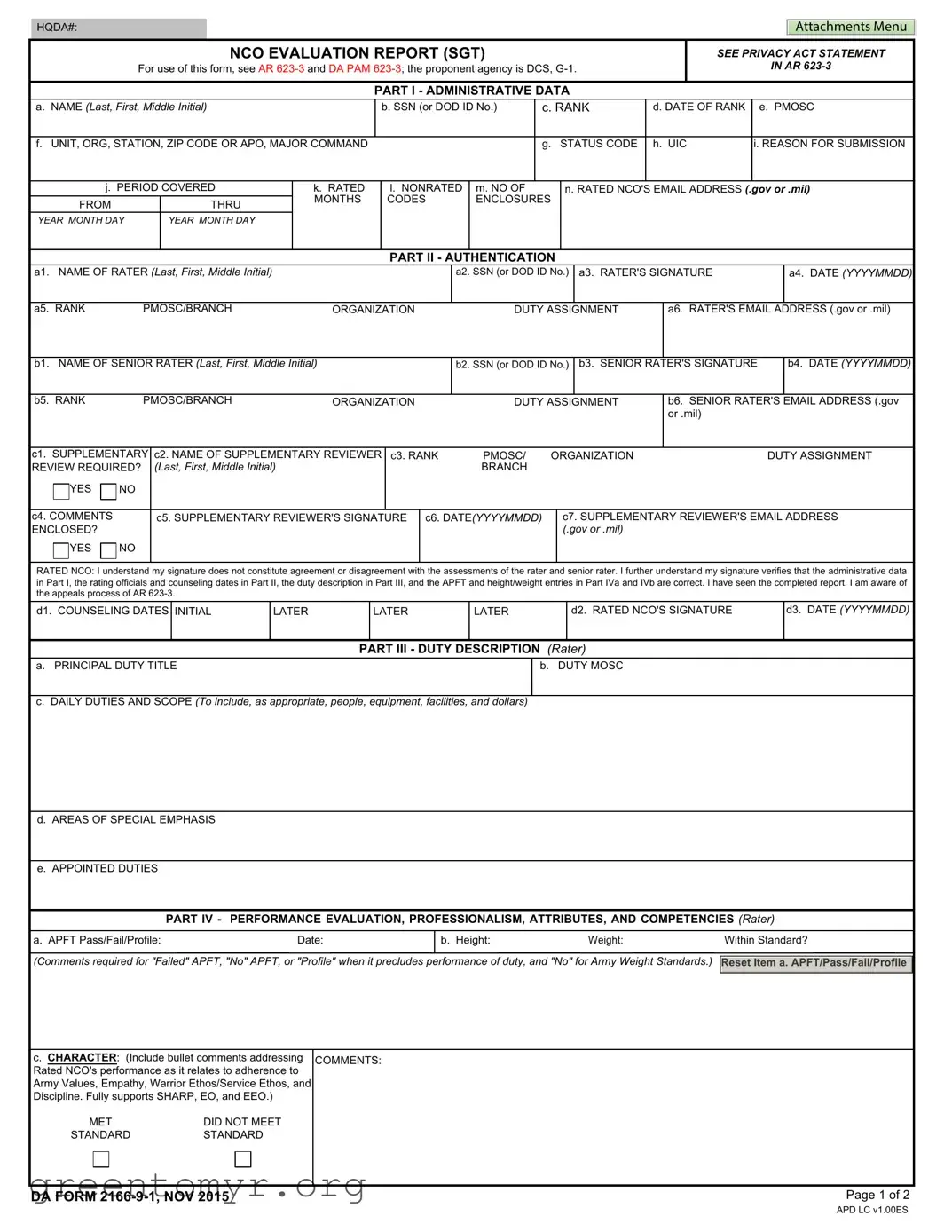
The DA Form 2166-9-1, also known as the Non-Commissioned Officer Evaluation Report (NCOER) for Sergeants, plays a crucial role in the evaluation process within the United States Army. This form is designed to capture the performance and potential of NCOs, providing a structured framework for assessing their contributions to the Army's mission. Key sections of the form include administrative data, which requires essential information such as the NCO's name, rank, and unit, as well as the evaluation period. The authentication section highlights the responsibilities of the rater and senior rater, ensuring that both parties contribute to a fair and accurate assessment. Additionally, the form includes a detailed duty description and performance evaluation criteria, which cover various attributes like character, presence, intellect, leadership, development, and achievement. Each of these areas is evaluated against established standards, allowing for a comprehensive review of an NCO's capabilities. The senior rater's overall potential assessment further contextualizes the NCO's performance relative to peers, guiding future assignments and career development. Understanding the intricacies of the DA Form 2166-9-1 is essential for both NCOs and their evaluators, as it not only impacts individual careers but also contributes to the overall effectiveness of the Army.
HQDA#: |
Attachments Menu |
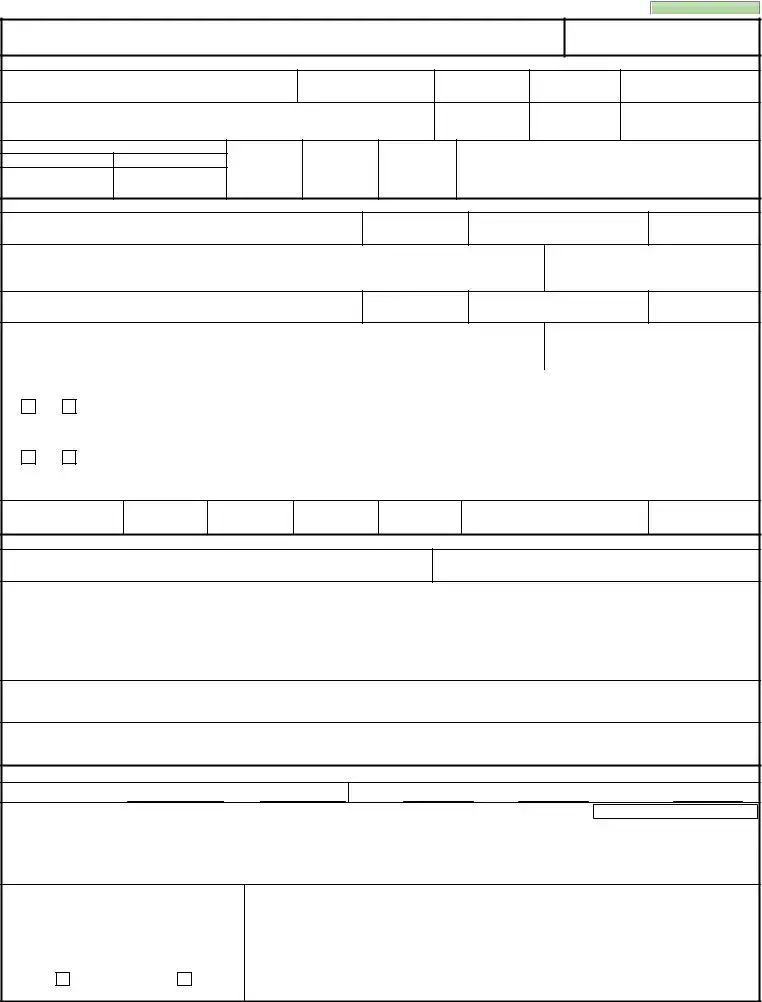
NCO EVALUATION REPORT (SGT)
For use of this form, see AR
SEE PRIVACY ACT STATEMENT
IN AR
PART I
a.NAME (Last, First, Middle Initial)
b. SSN (or DOD ID No.)
c. RANK
d. DATE OF RANK
e. PMOSC
f. UNIT, ORG, STATION, ZIP CODE OR APO, MAJOR COMMAND
g. STATUS CODE
h. UIC
i. REASON FOR SUBMISSION
j. PERIOD COVERED
FROMTHRU
YEAR MONTH DAY |
YEAR MONTH DAY |
k.RATED MONTHS
l.NONRATED CODES
m. NO OF ENCLOSURES
n. RATED NCO'S EMAIL ADDRESS (.gov or .mil)
PART II
a1. NAME OF RATER (Last, First, Middle Initial)
a2. SSN (or DOD ID No.)
a3. RATER'S SIGNATURE
a4. DATE (YYYYMMDD)
a5. RANK |
PMOSC/BRANCH |
ORGANIZATION |
DUTY ASSIGNMENT
a6. RATER'S EMAIL ADDRESS (.gov or .mil)
b1. NAME OF SENIOR RATER (Last, First, Middle Initial)
b2. SSN (or DOD ID No.)
b3. SENIOR RATER'S SIGNATURE
b4. DATE (YYYYMMDD)
b5. RANK |
PMOSC/BRANCH |
ORGANIZATION |
DUTY ASSIGNMENT |
b6. SENIOR RATER'S EMAIL ADDRESS (.gov or .mil)
c1. SUPPLEMENTARY |
c2. NAME OF SUPPLEMENTARY REVIEWER |
c3. RANK |
PMOSC/ |
ORGANIZATION |
DUTY ASSIGNMENT |
|||
REVIEW REQUIRED? |
(Last, First, Middle Initial) |
|
|
BRANCH |
|
|
|
|
YES |
NO |
|
|
|
|
|
|
|
|
|
|
|
|
|
|
||
c4. COMMENTS |
|
c5. SUPPLEMENTARY REVIEWER'S SIGNATURE |
c6. DATE(YYYYMMDD) |
|
c7. SUPPLEMENTARY REVIEWER'S EMAIL ADDRESS |
|||
ENCLOSED? |
|
|
|
|
|
|
(.gov or .mil) |
|
YES |
NO |
|
|
|
|
|
|
|
|
|
|
|
|
|
|
|
|
RATED NCO: I understand my signature does not constitute agreement or disagreement with the assessments of the rater and senior rater. I further understand my signature verifies that the administrative data in Part I, the rating officials and counseling dates in Part II, the duty description in Part III, and the APFT and height/weight entries in Part IVa and IVb are correct. I have seen the completed report. I am aware of the appeals process of AR
d1. COUNSELING DATES INITIAL
LATER
LATER
LATER
d2. RATED NCO'S SIGNATURE
d3. DATE (YYYYMMDD)
PART III
a. PRINCIPAL DUTY TITLE
b. DUTY MOSC
c.DAILY DUTIES AND SCOPE (To include, as appropriate, people, equipment, facilities, and dollars)
d.AREAS OF SPECIAL EMPHASIS
e.APPOINTED DUTIES
PART IV
a. APFT Pass/Fail/Profile: |
Date: |
b. Height: |
Weight: |
Within Standard? |
(Comments required for "Failed" APFT, "No" APFT, or "Profile" when it precludes performance of duty, and "No" for Army Weight Standards.) Reset Item a. APFT/Pass/Fail/Profile
c.CHARACTER: (Include bullet comments addressing Rated NCO's performance as it relates to adherence to Army Values, Empathy, Warrior Ethos/Service Ethos, and Discipline. Fully supports SHARP, EO, and EEO.)
MET |
DID NOT MEET |
STANDARD |
STANDARD |
COMMENTS:
DA FORM |
Page 1 of 2 |
APD LC v1.00ES
RATED NCO'S NAME (Last, First, Middle Initial) |
SSN (or DOD ID No.) |
THRU DATE |
|
|
|
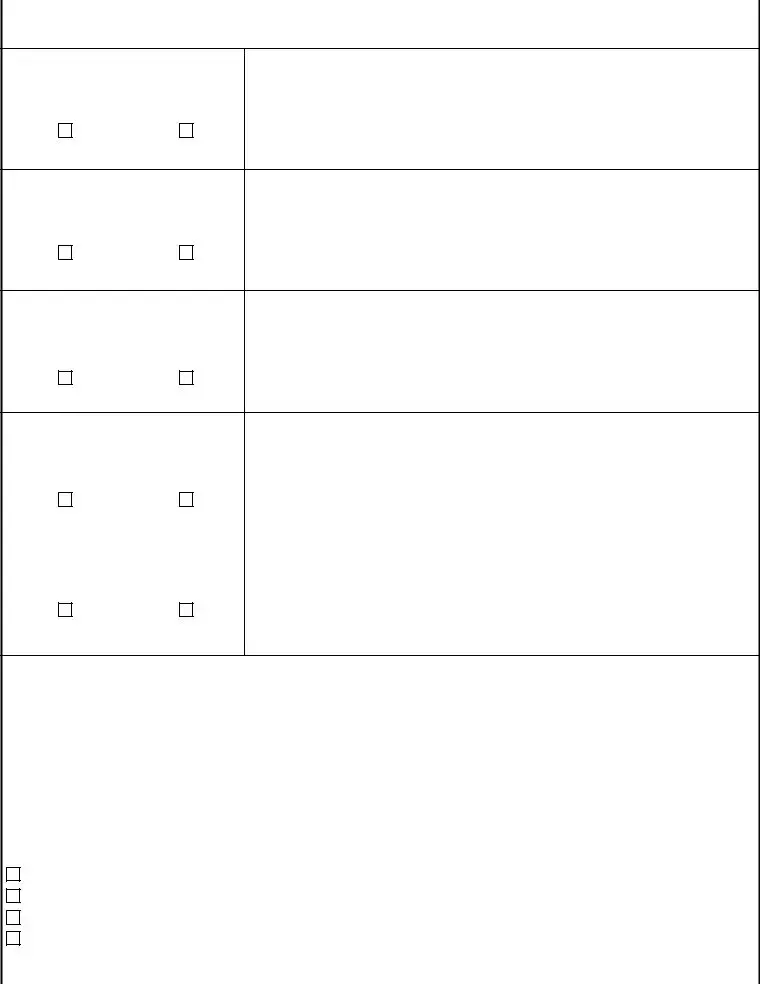
PART IV
d. PRESENCE: (Military and professional |
COMMENTS: |
|
bearing, Fitness, Confidence, Resilience.) |
|
|
MET |
DID NOT MEET |
|
STANDARD |
STANDARD |
|
e. INTELLECT: (Mental agility, Sound judgment, COMMENTS: |
|
Innovation, Interpersonal tact, Expertise.) |
|
MET |
DID NOT MEET |
STANDARD |
STANDARD |
f. LEADS: (Leads others, Builds trust, Extends COMMENTS: |
|
influence beyond the chain of command, Leads by |
|
example Communicates.) |
|
MET |
DID NOT MEET |
STANDARD |
STANDARD |
g. DEVELOPS: (Creates a positive command/ COMMENTS: |
|
workplace environment, Fosters esprit de corps, |
|
Prepares self, Develops others, Stewards the |
|
profession.) |
|
MET |
DID NOT MEET |
STANDARD |
STANDARD |
|
|
h. ACHIEVES: (Gets results.) |
COMMENTS: |
MET |
DID NOT MEET |
STANDARD |
STANDARD |
|
|
|
|
|
|
RATER OVERALL PERFORMANCE |
|
i. I currently rate |
NCOs in this grade. |
|
|||||
COMMENTS: |
|
|
|
|
|
|
|
|
|
|
|
|
|
|
|
|
|
|
|
|
|
PART V |
|
a. Select one box representing Rated |
b. COMMENTS: |
|
|||||
NCO’s potential compared to others in the |
|
|
|||||
same grade whom you have rated in your |
|
|
|||||
career. I currently senior rate |
|
|
|||||
NCOs in this grade. |
|
|
|
|
|
|
|
|
|
|
|
|
|
||
MOST QUALIFIED |
|
|
|
|
|
|
|
HIGHLY QUALIFIED |
|
|
|||||
QUALIFIED |
|
|
|
|
|
|
|
NOT QUALIFIED |
|
|
|
|
|
|
|
|
|
|
|||||
c. List two successive assignments and one broadening assignment |
|
||||||
Successive Assignment: |
1) |
|
|
2) |
Broadening Assignment: |
||
|
|
|
|||||
DA FORM |
|
Page 2 of 2 |
|||||
|
|
|
|
|
|
|
APD PE v1.00ES |
| Fact Name | Fact Description |
|---|---|
| Purpose | The DA 2166-9-1 form is used for the evaluation of Non-Commissioned Officers (NCOs) in the Army. |
| Governing Regulation | This form is governed by Army Regulation (AR) 623-3 and DA Pamphlet (PAM) 623-3. |
| Privacy Statement | Users must refer to the Privacy Act Statement included in AR 623-3 when completing this form. |
| Administrative Data | Part I collects essential administrative data, including the NCO's name, SSN, rank, and unit information. |
| Rater Information | Part II requires information from the rater and senior rater, including their names, signatures, and email addresses. |
| Performance Evaluation | Part IV focuses on evaluating the NCO's performance across various attributes, such as character and presence. |
| Signature Acknowledgment | The rated NCO's signature indicates understanding of the report but does not imply agreement with the evaluation. |
| Effective Date | The current version of the DA 2166-9-1 form was released in November 2015. |
Filling out the DA 2166-9-1 form is a straightforward process, but it requires attention to detail. This form is essential for documenting the performance of a Non-Commissioned Officer (NCO). After completing the form, it will need to be reviewed and signed by the appropriate rating officials.
The DA 2166-9-1 form is primarily used for evaluating the performance of Non-Commissioned Officers (NCOs) at the rank of Sergeant. This evaluation is crucial for assessing an NCO's abilities, strengths, and areas for improvement. It serves not only as a record of performance but also influences promotion considerations, assignments, and professional development opportunities for the NCO. The form ensures that evaluations are standardized and fair across the Army, adhering to the guidelines set forth in Army Regulation (AR) 623-3 and DA Pamphlet 623-3.
The responsibility for completing the DA 2166-9-1 form typically lies with the rater, who is usually the immediate supervisor of the NCO being evaluated. The rater must provide detailed assessments of the NCO's performance in various categories, such as character, presence, intellect, leadership, development, and achievement. Additionally, the senior rater, who is a higher-ranking officer, reviews the evaluation and provides their perspective on the NCO's potential compared to peers. Both raters must ensure the accuracy of the information and sign the form to authenticate it.
The administrative data section of the DA 2166-9-1 form requires several key pieces of information to ensure proper identification and context for the evaluation. This includes:
This information is essential for maintaining accurate records and ensuring that evaluations are conducted in a structured manner.
The evaluation process for the DA 2166-9-1 form involves several steps. Initially, the rater observes and assesses the NCO's performance over a specified period. The rater then completes the form, providing ratings and comments in various categories related to the NCO's performance. After the rater completes their assessment, the senior rater reviews the evaluation, offering their insights and overall potential rating. This collaborative process ensures a comprehensive review of the NCO's capabilities and contributions. The NCO is then required to sign the form, acknowledging their understanding of the evaluation and the accompanying counseling dates.
If an NCO disagrees with their evaluation on the DA 2166-9-1 form, they have the right to appeal the assessment. The appeals process is outlined in AR 623-3. The NCO should first discuss their concerns with the rater or senior rater to seek clarification or resolution. If the issue remains unresolved, the NCO can formally submit an appeal through the appropriate channels, providing evidence or reasons for their disagreement. It is crucial for NCOs to be aware of this process, as it allows them to advocate for their professional reputation and career progression.
Filling out the DA 2166-9-1 form can be a straightforward task, but many people make common mistakes that can lead to issues down the line. One significant error is not providing accurate administrative data in Part I. This section includes essential information such as name, rank, and unit. If any of this information is incorrect, it can cause delays in processing or even lead to misunderstandings about the individual's service record.
Another frequent mistake is failing to sign and date the form properly. In Part II, both the rater and senior rater must provide their signatures and the date. Without these, the form may be considered incomplete. It's crucial to ensure that all required signatures are present before submitting the document.
People often overlook the importance of the counseling dates in Part II as well. Failing to include these dates can imply that the rated NCO did not receive proper feedback on their performance. This oversight can affect the evaluation's credibility and may lead to complications in future assessments.
Additionally, many individuals neglect to include comments in the performance evaluation sections. While marking "MET" or "DID NOT MEET STANDARD" is necessary, providing detailed comments is equally important. These comments help clarify the ratings and offer context for the evaluations, making them more meaningful.
Lastly, some individuals forget to check the email addresses provided for the rater and senior rater. These addresses should end in .gov or .mil to ensure proper communication. Incorrect email addresses can prevent important notifications from reaching the appropriate parties, leading to further complications in the evaluation process.
The DA Form 2166-9-1 is an essential document used for evaluating Non-Commissioned Officers (NCOs) in the U.S. Army. To ensure proper processing and compliance, several other forms and documents are often utilized alongside it. Below is a list of these commonly used forms and their brief descriptions.
These documents collectively support the evaluation process for NCOs, ensuring that assessments are thorough, accurate, and in line with Army standards. Proper use of these forms contributes to the professional development and accountability of service members.
The DA Form 2166-9-1 is an important document used for evaluating Non-Commissioned Officers (NCOs) in the U.S. Army. Similar forms serve various purposes within military evaluations and assessments. Here are five documents that share similarities with the DA Form 2166-9-1:
Understanding these forms can provide valuable insights into the evaluation processes within the military. Each document plays a crucial role in assessing individual performance, ensuring accountability, and fostering professional growth.
When filling out the DA 2166-9-1 form, it’s important to follow certain guidelines to ensure accuracy and clarity. Here are four things you should do and four things you should avoid.
Understanding the DA 2166-9-1 form is crucial for anyone involved in the military evaluation process. However, several misconceptions often cloud this understanding. Here are six common misconceptions and the clarifications that accompany them:
This form is specifically designed for Non-Commissioned Officers (NCOs), but it is part of a broader evaluation system that includes various ranks and positions within the military. It plays a vital role in assessing performance and potential across different levels.
The rated NCO's signature on the form does not indicate agreement or disagreement with the assessments. Instead, it serves to verify that the administrative data and counseling dates are accurate.
While the rater plays a significant role, the evaluation process also involves the senior rater and, in some cases, a supplementary reviewer. Each individual contributes to a comprehensive assessment of the NCO's performance.
Comments are essential throughout the form, especially in performance evaluations. They provide context and clarity regarding the rated NCO's strengths and areas for improvement.
Contrary to this belief, the form is part of a process that allows for appeals. Rated NCOs are informed about their right to appeal the evaluations, ensuring transparency and fairness.
Height and weight are critical components of the evaluation. They reflect the rated NCO's adherence to Army standards and physical fitness, which are essential for military readiness.
Filling out and utilizing the DA Form 2166-9-1, which is the NCO Evaluation Report for Sergeants, is crucial for both the rated NCO and the evaluators. Here are some key takeaways to keep in mind: