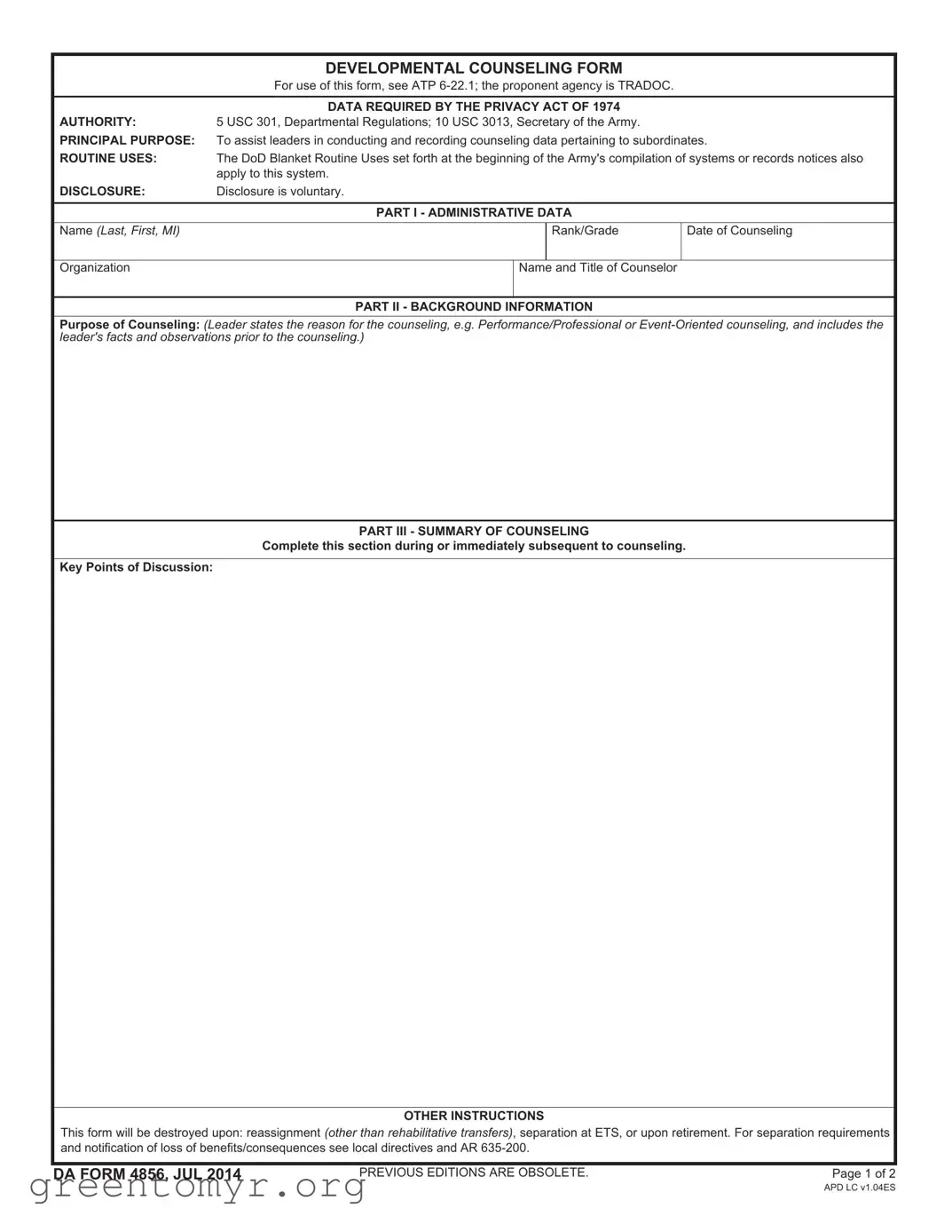
The DA 4856 form plays a crucial role in the United States Army's counseling process, serving as a tool for leaders to document and facilitate professional development for soldiers. This form is primarily utilized during both formal and informal counseling sessions, allowing leaders to address performance issues, set goals, and provide feedback. It encompasses various sections that capture the soldier's strengths, weaknesses, and overall potential, ensuring that counseling is constructive and focused on growth. Additionally, the DA 4856 includes space for both the counselor and the soldier to sign, which emphasizes accountability and mutual agreement on the discussed topics. By fostering open communication, the DA 4856 aims to enhance a soldier's readiness and effectiveness within their role, ultimately contributing to the overall mission of the Army. Understanding the significance of this form is essential for both soldiers and leaders alike, as it not only impacts individual careers but also influences unit cohesion and operational success.

|
DEVELOPMENTAL COUNSELING FORM |
|
For use of this form, see ATP |
AUTHORITY: |
DATA REQUIRED BY THE PRIVACY ACT OF 1974 |
5 USC 301, Departmental Regulations; 10 USC 3013, Secretary of the Army. |
|
PRINCIPAL PURPOSE: |
To assist leaders in conducting and recording counseling data pertaining to subordinates. |
ROUTINE USES: |
The DoD Blanket Routine Uses set forth at the beginning of the Army's compilation of systems or records notices also |
|
apply to this system. |
DISCLOSURE: |
Disclosure is voluntary. |
|
PART I - ADMINISTRATIVE DATA |
Name (Last, First, MI)
Organization
Rank/Grade |
Date of Counseling |
Name and Title of Counselor
PART II - BACKGROUND INFORMATION
Purpose of Counseling: (Leader states the reason for the counseling, e.g. Performance/Professional or
PART III - SUMMARY OF COUNSELING
Complete this section during or immediately subsequent to counseling.
Key Points of Discussion:
OTHER INSTRUCTIONS
This form will be destroyed upon: reassignment (other than rehabilitative transfers), separation at ETS, or upon retirement. For separation requirements and notification of loss of benefits/consequences see local directives and AR
DA FORM 4856, JUL 2014 |
PREVIOUS EDITIONS ARE OBSOLETE. |
Page 1 of 2 |
APD LC v1.04ES
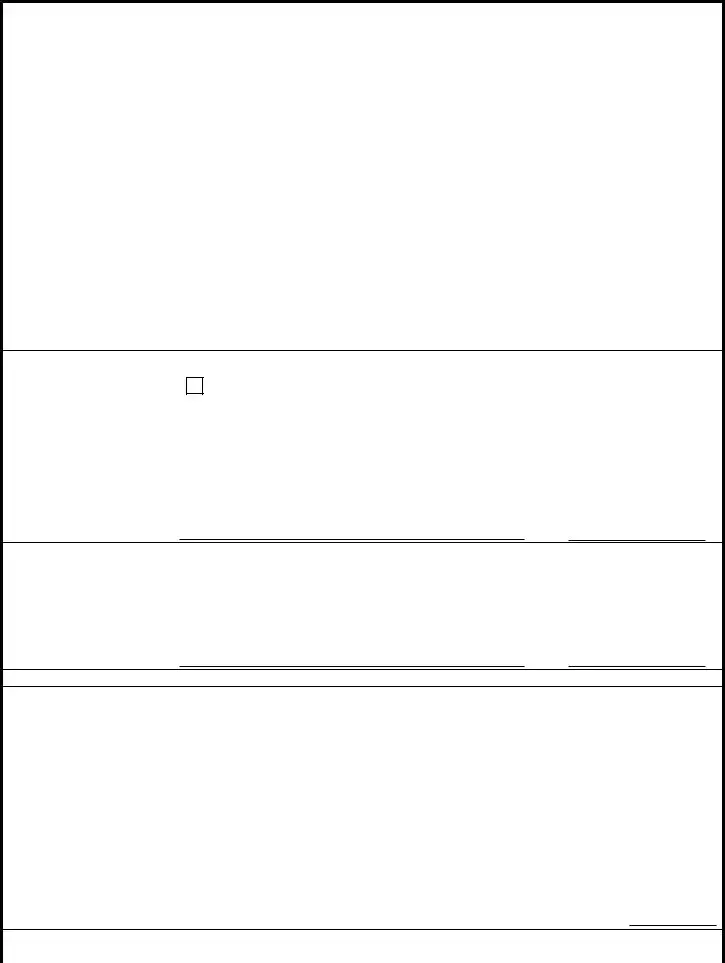
Plan of Action (Outlines actions that the subordinate will do after the counseling session to reach the agreed upon goal(s). The actions must be specific enough to modify or maintain the subordinate's behavior and include a specified time line for implementation and assessment (Part IV below)
Session Closing: (The leader summarizes the key points of the session and checks if the subordinate understands the plan of action. The subordinate agrees/disagrees and provides remarks if appropriate.)
Individual counseled: |
|
I agree |
Individual counseled remarks:
disagree with the information above.
Signature of Individual Counseled: |
Date: |
Leader Responsibilities: (Leader's responsibilities in implementing the plan of action.)
Signature of Counselor: |
Date: |
PART IV - ASSESSMENT OF THE PLAN OF ACTION
Assessment: (Did the plan of action achieve the desired results? This section is completed by both the leader and the individual counseled and
provides useful information for
Counselor: |
|
Individual Counseled: |
|
Date of |
|
|
|
|
Assessment: |
Note: Both the counselor and the individual counseled should retain a record of the counseling.
DA FORM 4856, JUL 2014 |
Page 2 of 2 |
APD LC v1.04ES
| Fact Name | Description |
|---|---|
| Purpose | The DA 4856 form is used for counseling sessions in the U.S. Army, providing a structured format for documenting performance and behavior. |
| Usage | This form is typically utilized by leaders to conduct developmental counseling with soldiers, addressing both strengths and areas for improvement. |
| Components | The form includes sections for the counselor's assessment, the soldier's input, and a plan for future development. |
| Governing Regulations | It is governed by Army Regulation 623-3, which outlines the evaluation and counseling processes for soldiers. |
| Format | The DA 4856 form is available in a fillable PDF format, allowing for easy completion and submission. |
| Retention | Completed forms are retained in the soldier's official personnel file, ensuring a record of counseling sessions. |
Filling out the DA 4856 form is a straightforward process that requires careful attention to detail. After completing the form, you will be ready to submit it for the intended purpose.
The DA 4856 form, also known as the Developmental Counseling Form, is used by the U.S. Army to document counseling sessions between leaders and soldiers. This form serves as a record of discussions regarding a soldier's performance, behavior, and personal development. It is a critical tool for fostering communication and ensuring that soldiers receive the guidance they need to succeed.
The DA 4856 form should be used in various situations, including:
Using the form regularly can help maintain clear communication and establish expectations.
The responsibility for completing the DA 4856 form typically falls on the soldier's immediate leader or supervisor. However, both the counselor and the soldier being counseled should actively participate in the discussion. This collaborative approach ensures that the form accurately reflects the conversation and the soldier's input.
The DA 4856 form consists of several key sections, including:
Each section plays a vital role in ensuring that counseling is effective and actionable.
The DA 4856 form can significantly impact a soldier's career by providing a documented history of performance and development. Positive counseling can enhance a soldier's reputation and lead to promotions, while negative counseling can highlight areas needing improvement. This form serves as a formal record that can be referenced during evaluations, awards, and other personnel decisions.
Yes, the DA 4856 form can be used for informal counseling sessions. While it is often associated with formal counseling, leaders may choose to document informal discussions to ensure clarity and accountability. Using the form for informal counseling helps create a consistent record of interactions and can provide context for future discussions.
If a soldier disagrees with the contents of the DA 4856 form, they should address their concerns directly with their counselor. Open communication is essential. Soldiers can request to add their comments or rebuttals to the form, ensuring that their perspective is documented. This practice promotes transparency and can lead to a more constructive dialogue.
Filling out the DA 4856 form can be a straightforward process, but mistakes can lead to delays or complications. One common error is failing to provide complete and accurate information. Each section of the form requires specific details. Omitting even a small piece of information can result in the form being returned for corrections.
Another frequent mistake is not understanding the purpose of the form. The DA 4856 is often used for counseling sessions, evaluations, or assessments. Misinterpreting its intent can lead to inappropriate or irrelevant information being included. It's essential to stay focused on the objectives of the counseling session.
Many individuals also overlook the importance of signatures. The form requires the signatures of both the counselor and the counseled individual. Without these signatures, the form may be considered incomplete. Ensure that both parties sign and date the document before submission.
In addition, some people fail to keep a copy of the completed form for their records. Retaining a copy is vital for future reference. This practice can help clarify any misunderstandings that may arise later regarding the counseling session or the information provided.
Finally, individuals sometimes neglect to review the form for clarity and professionalism. The DA 4856 is a formal document, and it should reflect that. Using clear language and proper formatting can enhance the document's effectiveness and ensure that the intended message is conveyed accurately.
The DA 4856 form, also known as the Developmental Counseling Form, is commonly used in the military for documenting counseling sessions. Several other forms and documents may accompany the DA 4856 to provide additional context or support during the counseling process. Below is a list of these related documents, each with a brief description.
These documents serve various purposes and can enhance the effectiveness of the counseling process. Utilizing them appropriately can lead to more informed discussions and better outcomes for service members.
The DA Form 4856, also known as the Developmental Counseling Form, is a key document used in the military for counseling soldiers. It serves various purposes, including performance evaluations and personal development. Here are seven documents that share similarities with the DA Form 4856:
Filling out the DA 4856 form is a critical process that requires attention to detail. Here are some important dos and don'ts to keep in mind:
Following these guidelines can help ensure that your DA 4856 form is completed accurately and effectively. Take the time to do it right.
The DA 4856 form, often used in military settings, is surrounded by several misconceptions. Understanding the truth behind these myths can help individuals navigate its purpose and use more effectively.
This is not true. While it can be used for negative counseling, the DA 4856 is also a valuable tool for positive reinforcement and developmental counseling.
There is flexibility in how the form is completed. Each situation is unique, and the form can be tailored to fit the context of the counseling session.
In reality, it is a counseling tool, not a disciplinary measure. Its purpose is to guide and support individuals in their development.
Both leaders and subordinates can participate in the completion of the form. This encourages open communication and collaboration.
This form plays a significant role in personal and professional development. It helps document discussions and plans for improvement.
The form can be revisited and updated as needed. Continuous improvement is the goal, and follow-up discussions can be documented.
The DA 4856 form, also known as the Developmental Counseling Form, is a vital tool for military personnel. It serves several purposes, including documenting counseling sessions and providing a framework for performance evaluations. Here are some key takeaways about filling out and using this form: