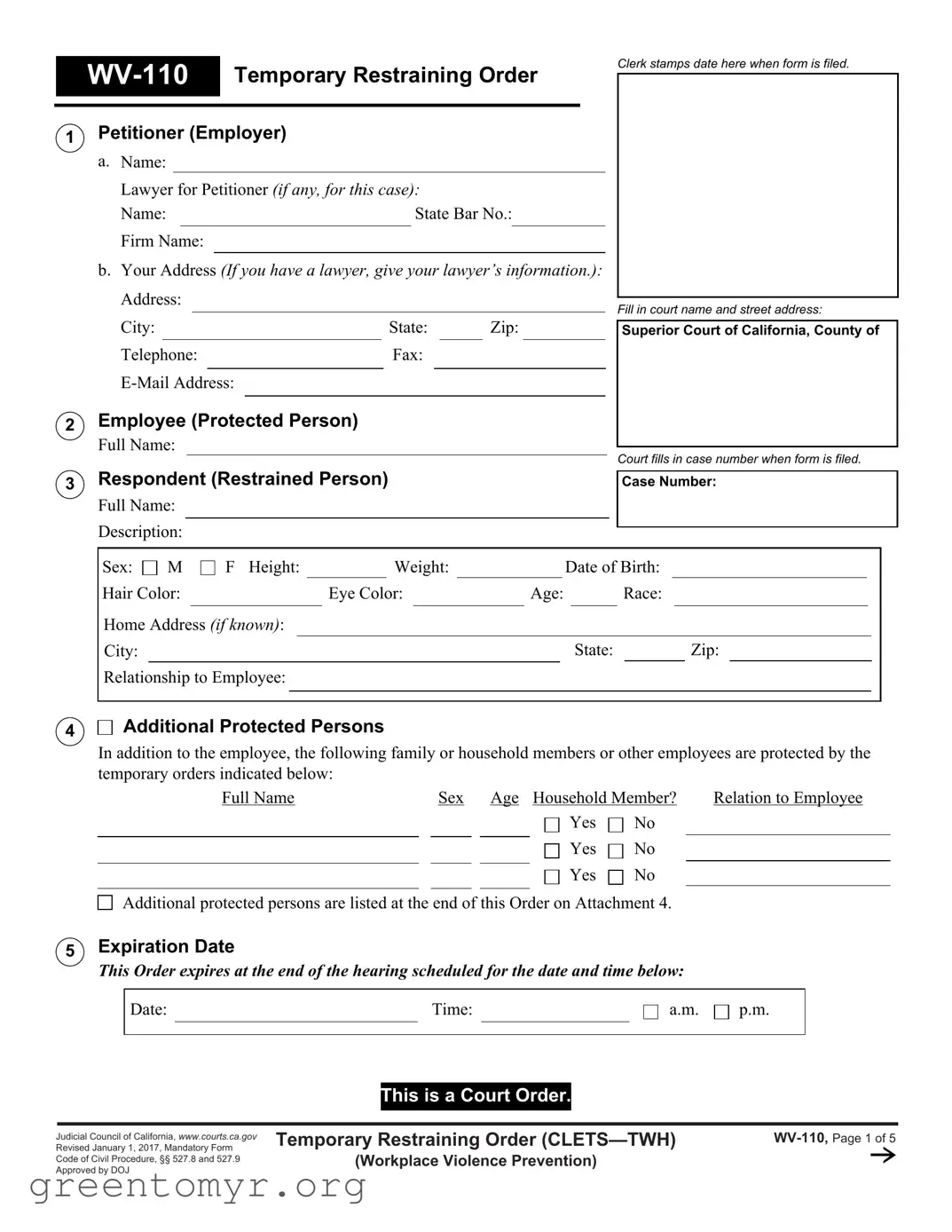
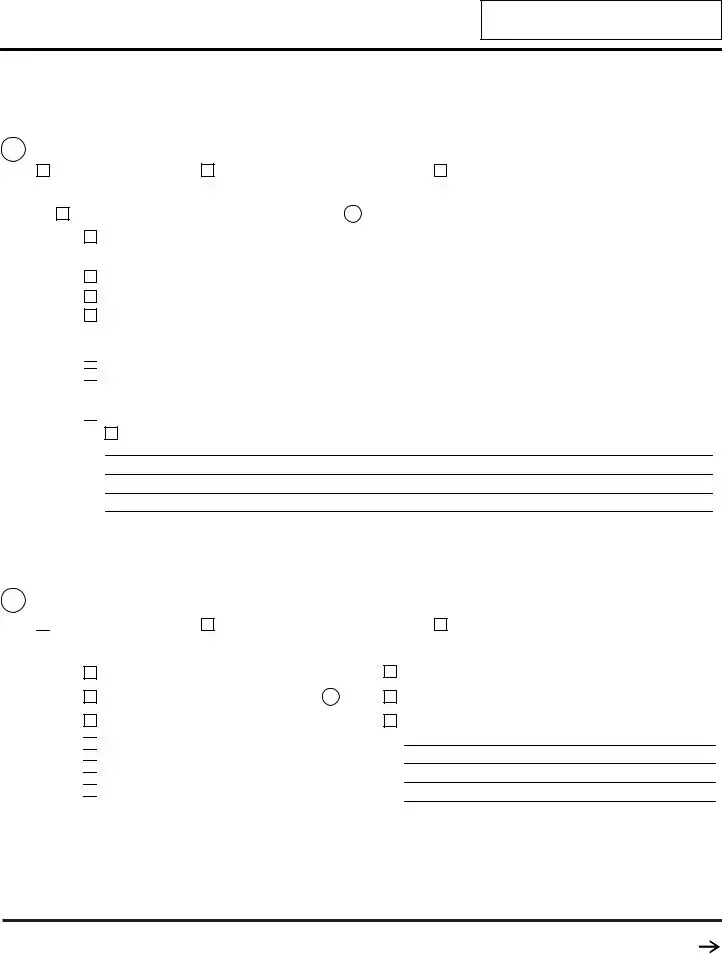
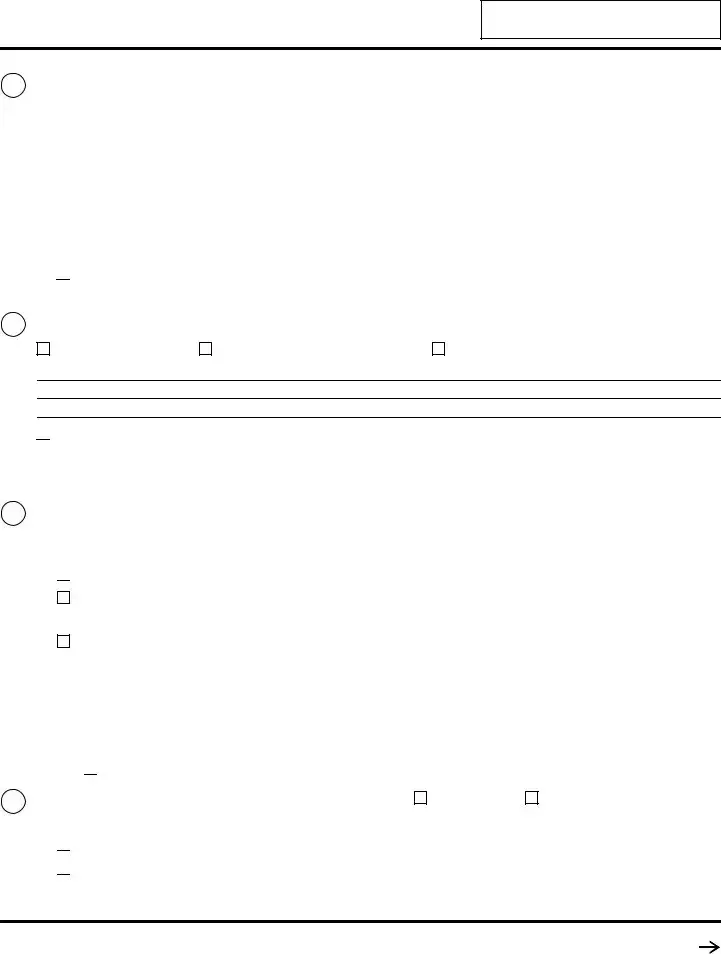
The Fake Restraining Order form, specifically the WV-110 Temporary Restraining Order, serves as a critical tool within the legal framework designed to protect individuals from potential threats or acts of violence in the workplace. This form is initiated by a petitioner, typically an employer, who seeks to secure the safety of an employee or other protected persons from a respondent, often an individual who poses a risk. Essential details such as the names, addresses, and physical descriptions of both the employee and the respondent are required to create a clear record. The form also outlines specific prohibitions, including harassment, stalking, and contact, which the respondent must adhere to. Furthermore, it includes directives on maintaining a safe distance from the protected individuals and their associated locations, such as homes and workplaces. Importantly, the form mandates that any firearms in the respondent's possession be surrendered to law enforcement, emphasizing the seriousness of the situation. The order is temporary, with an expiration date set for the hearing, during which a judge will review the circumstances and determine the need for further action. By understanding the components and implications of the Fake Restraining Order form, individuals can better navigate the complexities of workplace violence prevention and ensure a safer environment for all involved.
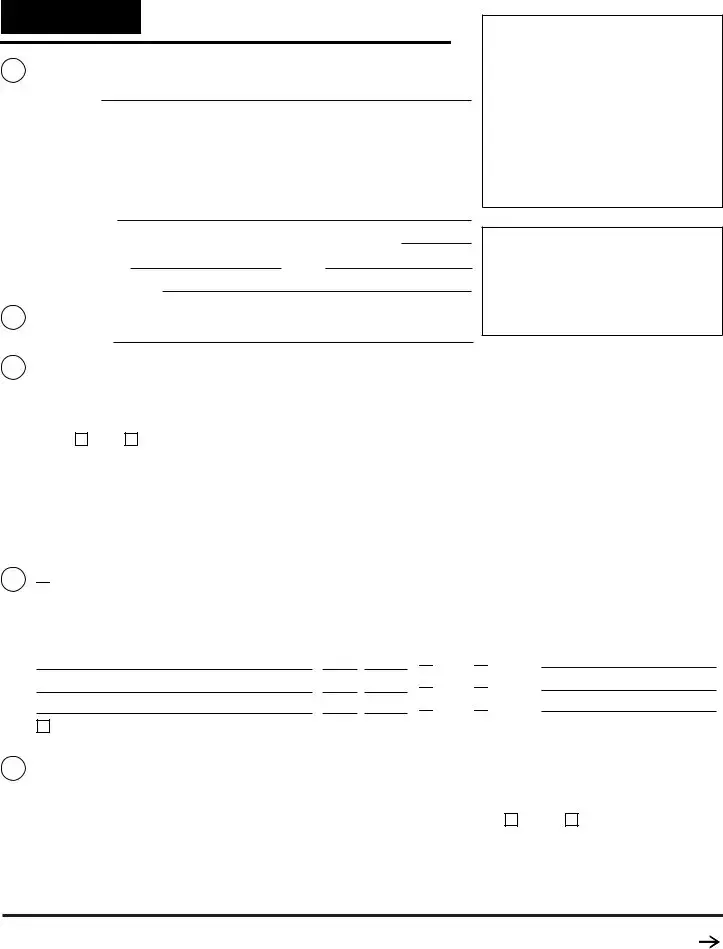
1Petitioner (Employer) a. Name:
Lawyer for Petitioner (if any, for this case):
Name: |
State Bar No.: |
|||
|
|
|
|
|
Firm Name: |
|
|
|
|
b. Your Address (If you have a lawyer, give your lawyer’s information.):
Address:
City: |
|
State: |
|
Zip: |
|
|
|
|
|
Telephone:Fax:
2Employee (Protected Person)
Full Name:
Clerk stamps date here when form is filed.
Fill in court name and street address:
Superior Court of California, County of
Court fills in case number when form is filed.
3 Respondent (Restrained Person) |
|
|
|
|
|
|
Case Number: |
||||||||||||||||||
|
Full Name: |
|
|
|
|
|
|
|
|
|
|
|
|
|
|
|
|
|
|
|
|
|
|
|
|
|
Description: |
|
|
|
|
|
|
|
|
|
|
|
|
|
|
|
|
|
|
|
|
|
|
|
|
|
|
|
|
|
|
|
|
|
|
|
|
|
|
|
|
|
|
|
|
|
|
|
|
||
|
|
|
|
|
|
|
|
|
|
|
|
|
|
|
|
|
|
|
|
|
|
|
|||
|
|
|
|
|
|
|
|
|
|
|
|
|
|
|
|
|
|
|
|
|
|
|
|
||
|
Sex: |
M |
|
F Height: |
|
|
Weight: |
|
|
|
Date of Birth: |
|
|
|
|||||||||||
|
Hair Color: |
|
|
|
|
|
Eye Color: |
|
Age: |
Race: |
|
||||||||||||||
|
|
|
|
|
|
|
|
|
|
|
|
|
|
|
|
|
|
|
|
|
|
|
|
||
|
Home Address (if known): |
|
|
|
|
|
|
|
|
|
|
|
|
|
|
|
|
|
|
|
|||||
|
|
|
|
|
|
|
|
|
|
|
|
|
|
|
|
|
|
|
|
|
|
|
|
||
|
City: |
|
|
|
|
|
|
|
|
|
|
|
|
|
State: |
|
|
|
|
Zip: |
|
|
|
||
|
Relationship to Employee: |
|
|
|
|
|
|
|
|
|
|
|
|
|
|
|
|
|
|
|
|||||
|
|
|
|
|
|
|
|
|
|
|
|
|
|
|
|
|
|
|
|
|
|
|
|
|
|
|
|
|
|
|
|
|
|
|
|
|
|
|
|
|
|
|
|
|
|
|
|
|
|
|
|
4 Additional Protected Persons
In addition to the employee, the following family or household members or other employees are protected by the temporary orders indicated below:
Full Name |
Sex Age Household Member? |
Relation to Employee |
Yes No
Yes No
Yes No
Additional protected persons are listed at the end of this Order on Attachment 4.
5Expiration Date
This Order expires at the end of the hearing scheduled for the date and time below:
Date: |
|
Time: |
|
|
|
a.m. |
|
p.m. |
|
|
|
|
|||||
|
|
|
|
|
|
|
|
|
|
|
|
|
|
|
|
|
|
This is a Court Order.
Judicial Council of California, www.courts.ca.gov Revised January 1, 2017, Mandatory Form Code of Civil Procedure, §§ 527.8 and 527.9 Approved by DOJ
Temporary Restraining Order |
(Workplace Violence Prevention)
Case Number:
To the Respondent:
The court has issued the temporary orders checked as granted below. If you do not obey these orders, you can be arrested and charged with a crime. You may have to go to jail for up to one year, pay a fine of up to $1,000, or both.
6Personal Conduct Orders
Not Requested |
Denied Until the Hearing |
Granted as Follows:
a. You are ordered not do the following things to the employee and to the other protected persons listed in 4 :
(1) |
Harass, molest, strike, assault (sexually or otherwise), batter, abuse, destroy personal property of, or |
|
disturb the peace of the person. |
(2) |
Commit acts of violence or make threats of violence against the person. |
(3) |
Follow or stalk the person during work hours or to or from the place of work. |
(4) |
Contact the person, either directly or indirectly, in any way, including, but not limited to, in person, by |
|
telephone, in writing, by public or private mail, by |
(5) Enter the workplace of the person.
(6) Take any action to obtain the person’s address or locations. If this item is not checked, the court has found good cause not to make this order.
(7) Other (specify):
Other personal conduct orders are attached at the end of this Order on Attachment 6a(7).
b.Peaceful written contact through a lawyer or a process server or other person for service of legal papers related to a court case is allowed and does not violate this order. However, you may have your papers served by mail on the petitioner.
7
Denied Until the Hearing |
Granted as Follows: |
a. You must stay at least |
yards away from |
(check all that apply): |
||
(1) |
|
|
(7) |
|
The employee |
The employee’s children’s place of child care |
|||
(2) |
Each other protected person listed in 4 (8) |
The employee’s vehicle |
||
(3) |
The employee’s workplace |
(9) |
Other (specify): |
|
(4) The employee’s home
(5) The employee’s school
(6) The employee’s children’s school
b. This
This is a Court Order.
Revised January 1, 2017
Temporary Restraining Order
(Workplace Violence Prevention)
Case Number:
8No Guns or Other Firearms and Ammunition
a.You cannot own, possess, have, buy or try to buy, receive or try to receive, or in any other way get guns, other firearms, or ammunition.
b.You must:
(1)Sell to or store with a licensed gun dealer or turn in to a law enforcement agency any guns or other firearms in your immediate possession or control. This must be done within 24 hours of being served with this Order.
(2)File a receipt with the court within 48 hours of receiving this Order that proves that your guns or firearms have been turned in, sold, or stored. (You may use form
c. The court has received information that you own or possess a firearm.
9 Other Orders |
|
|
Not Requested |
Denied Until the Hearing |
Granted as Follows (specify): |
Additional orders are attached at the end of this Order on Attachment 9.
To the Petitioner:
10Mandatory Entry of Order Into CARPOS Through CLETS
This Order must be entered into the California Restraining and Protective Order System (CARPOS) through the California Law Enforcement Telecommunications System (CLETS). (Check one):
a.
b.
The clerk will enter this Order and its
The clerk will transmit this Order and its
c.
By the close of business on the date that this Order is made, the employer or the employer’s lawyer should deliver a copy of the Order and its
Name of Law Enforcement Agency |
|
Address (City, State, Zip) |
|
|
|
|
|
|
Additional law enforcement agencies are listed at the end of this Order on Attachment 10.
11 No Fee to Serve (Notify) Restrained Person |
Ordered |
Not Ordered |
The sheriff or marshal will serve this Order without charge because:
a. The Order is based on a credible threat of violence or stalking.
b. The petitioner is entitled to a fee waiver.
This is a Court Order.
Revised January 1, 2017
Temporary Restraining Order
(Workplace Violence Prevention)

Case Number:
12Number of pages attached to this Order, if any: Date:
Judicial Officer
Warnings and Notices to the Restrained Person in 2
You Cannot Have Guns or Firearms
You cannot own, have, possess, buy or try to buy, receive or try to receive, or otherwise get guns, other firearms, or ammunition while this Order is in effect. If you do, you can go to jail and pay a $1,000 fine. You must sell to or store with a licensed gun dealer or turn in to a law enforcement agency any guns or other firearms that you have or control as stated in item 8 above. The court will require you to prove that you did so.
Notice Regarding Nonappearance at Hearing and Service of Order
If you have been personally served with this Temporary Restraining Order and form
If this address is not correct or you wish to verify that the Temporary Restraining Order was converted into a restraining order at the hearing without substantive change, or to find out the duration of the order, contact the clerk of the court.
After You Have Been Served With a Restraining Order
•Obey all the orders. Any intentional violation of this Order is a misdemeanor punishable by a fine or by imprisonment in a county jail, or by both fine and imprisonment. (Pen. Code, § 273.6.)
•Read form
•If you want to respond, fill out form
•You must have form
•In addition to the response, you may file and have declarations served, signed by you and other persons who have personal knowledge of the facts. You may use form
•Whether or not you file a response, you should attend the hearing. If you have any witnesses, they must also go to the hearing.
•At the hearing, the judge can make restraining orders against you that last for up to three years. Tell the judge why you disagree with the orders requested.
This is a Court Order.
Revised January 1, 2017
Temporary Restraining Order
(Workplace Violence Prevention)

Case Number:
Instructions for Law Enforcement
Enforcing the Restraining Order
This order is enforceable by any law enforcement agency that has received the order, is shown a copy of the order, or has verified its existence on the California Restraining and Protective Orders System (CARPOS). Agencies are encouraged to enter violation messages into CARPOS. If the law enforcement agency has not received proof of service on the restrained person, the agency must advise the restrained person of the terms of the order and then must enforce it. Violations of this order are subject to criminal penalties.
Start Date and End Date of Orders
This order starts on the date next to the judge’s signature on page 4. The order ends on the expiration date in item 5 on page 1.
If the Protected Person Contacts the Restrained Person
Even if the protected person invites or consents to contact with the restrained person, this order remains in effect and must be enforced. The protected person cannot be arrested for inviting or consenting to contact with the restrained person. The order can be changed only by another court order. (Pen. Code, § 13710(b).)
Conflicting
If more than one restraining order has been issued, the orders must be enforced according to the following priorities: (See Pen. Code, § 136.2, Fam. Code, §§ 6383(h)(2), 6405(b).)
1.EPO: If one of the orders is an Emergency Protective Order (form
2.No Contact Order: If there is no EPO, a
3.Criminal Order: If none of the orders includes a no contact order, a domestic violence protective order issued in a criminal case takes precedence in enforcement over any conflicting civil court order. Any nonconflicting terms of the civil restraining order remain in effect and enforceable.
4.Family, Juvenile, or Civil Order: If more than one family, juvenile, or other civil restraining or protective order has been issued, the one that was issued last must be enforced.
Clerk’s Certificate [seal]
(Clerk will fill out this part.)
I certify that this Temporary Restraining Order is a true and correct copy of the original on file in the court.
Date: |
|
Clerk, by |
|
, Deputy |
This is a Court Order.
Revised January 1, 2017
Temporary Restraining Order
(Workplace Violence Prevention)
| Fact Name | Details |
|---|---|
| Form Title | WV-110 Temporary Restraining Order |
| Governing Law | California Code of Civil Procedure, §§ 527.8 and 527.9 |
| Purpose | This form is used to request a temporary restraining order to prevent workplace violence. |
| Expiration | The order expires at the end of the scheduled hearing date and time. |
Filling out the Fake Restraining Order form requires careful attention to detail. After completing the form, it will be submitted to the court for processing. The court will then review the information and decide on the appropriate actions to take. Below are the steps to guide you through the process of filling out the form.
A Fake Restraining Order form is a document that may be misused to create the appearance of a legitimate restraining order. It typically contains false information or is not filed through the appropriate legal channels. It's important to understand that using such a form can lead to serious legal consequences.
Using a Fake Restraining Order can result in severe penalties. This includes criminal charges, which may lead to imprisonment, fines, or both. Additionally, it can damage your reputation and relationships, and may affect your ability to engage in legal processes in the future.
Legitimate restraining orders are issued by a court and typically include specific details such as the names of the parties involved, a case number, and the court's seal. They also outline the terms of the order, including any restrictions placed on the restrained person. If you have doubts about a restraining order, consult a legal professional.
If you receive a Fake Restraining Order, it is crucial to take immediate action. Document everything, including how you received the order and any communications related to it. Consult with a lawyer who can guide you on how to challenge the order and protect your rights.
Yes, filing a Fake Restraining Order is considered a serious offense. If you file a false document, you could face criminal charges, including fraud or perjury. The legal system takes these actions seriously, and the consequences can be severe.
You can report a Fake Restraining Order to local law enforcement or the court that issued it. Provide them with all relevant information and documentation. They can investigate the matter further and take appropriate action against the individual who filed the fake order.
To protect yourself, stay informed about the legal process regarding restraining orders. Keep records of all interactions and communications with individuals who may pose a threat. If you suspect someone may file a fake order against you, seek legal advice proactively.
There are numerous resources available, including legal aid organizations, local bar associations, and online legal services. These resources can provide guidance and support for individuals dealing with Fake Restraining Orders or related legal issues.
Yes, a Fake Restraining Order can have implications for your employment. Employers may view such orders negatively, impacting your job security and professional reputation. It's essential to address any fake orders promptly to mitigate potential damage.
When completing the Fake Restraining Order form, many individuals make common mistakes that can lead to delays or complications in the process. One frequent error is failing to provide complete and accurate information about the petitioner. This includes not listing the full name, address, and contact details. Inaccurate or missing information can hinder the court's ability to process the order.
Another mistake is neglecting to specify the relationship between the employee and the respondent. This section is crucial as it helps the court understand the context of the situation. Omitting this detail can lead to misunderstandings or a lack of urgency in addressing the matter.
Some individuals forget to list additional protected persons. If there are family members or coworkers who also need protection, they must be included. Leaving them out can result in insufficient protection and may undermine the intent of the restraining order.
Additionally, many fail to check all relevant boxes in the personal conduct orders and stay-away orders sections. Each checked item represents a specific restriction. If these boxes are left unchecked, the court may not impose necessary protections, leaving the petitioner vulnerable.
Another common error is not clearly stating the expiration date for the restraining order. Without a specific end date, the order may not be enforceable, causing confusion for both parties involved. It’s essential to ensure this date is clearly noted.
Some people also overlook the requirement to file proof of service. After the order is issued, it must be served to the respondent, and proof of this service must be filed with the court. Failing to do so can invalidate the order.
Another mistake involves misunderstanding the firearm restrictions. Respondents must be informed of their obligations regarding firearms. If this section is not filled out correctly, it can lead to legal consequences for the respondent.
Finally, individuals often forget to sign and date the form. A signature is necessary for the document to be valid. Without it, the court may reject the application, causing further delays in obtaining protection.
When dealing with a Fake Restraining Order, various other forms and documents may be necessary to ensure proper legal proceedings. Each of these documents serves a specific purpose in the context of workplace violence prevention and restraining orders. Understanding these forms can help both petitioners and respondents navigate the legal landscape more effectively.
Understanding these forms and their functions can significantly impact the effectiveness of legal actions taken in response to workplace violence. By familiarizing themselves with these documents, individuals involved can better prepare for court proceedings and ensure their rights are protected.
When filling out the Fake Restraining Order form, consider the following guidelines:
Misconception 1: The Fake Restraining Order form is legally valid.
This form is not an actual legal document. It is important to understand that a restraining order must be issued by a court to be enforceable. Using a fake form can lead to serious legal consequences.
Misconception 2: Anyone can fill out and submit the Fake Restraining Order form.
Only a petitioner, typically the person seeking protection, can initiate a restraining order process. Moreover, legal representation is advisable to ensure proper procedures are followed.
Misconception 3: The Fake Restraining Order form guarantees immediate protection.
Even if a restraining order is filed, it does not provide immediate protection. A court hearing is required to determine whether the order will be granted, and until then, the situation remains unresolved.
Misconception 4: Violating a Fake Restraining Order has no consequences.
Violating any restraining order, even a fake one, can lead to legal repercussions. Law enforcement may take action based on perceived threats, regardless of the order's legitimacy.
When filling out and using the Fake Restraining Order form, it is essential to understand several key points to ensure compliance and effectiveness.