The Meter Reader Practice Test form serves as a vital resource for individuals preparing to take the Meter Reader test battery, specifically designed to assess the skills necessary for success in this role. This booklet, dated April 1991, aims to bolster confidence by providing a comprehensive overview of the testing process. It outlines the purpose of the tests, which is to identify the most qualified candidates for meter reading positions within Southern California Edison (SCE). The test battery comprises two distinct assessments: Using Tables and Coding, each containing multiple-choice questions that evaluate basic abilities. Timed sessions for these tests are strictly enforced, with a total duration of approximately 20 minutes allocated for both instruction and completion. In addition to the test descriptions, the booklet offers practical strategies for preparation, such as ensuring adequate rest and nutrition before the test, arriving early to the testing site, and practicing with sample questions included in the material. Furthermore, it emphasizes the importance of understanding the scoring system, which combines points from both tests to determine an overall score, allowing candidates to leverage their strengths across different areas. With these insights, candidates can approach the Meter Reader test with a clear understanding of what to expect and how to maximize their performance.

METER READER TEST No. 5303
April 1991
Introduction
The purpose of this booklet is to provide information that will help to increase your confidence in taking the Meter Reader test battery. This booklet contains descriptions of the tests, sample test questions, strategies to use while taking the tests, and instructions on how to complete the answer sheets.
Why are these tests given?
Tests are used to help SCE select the most qualified people for particular jobs. Tests help to do this by providing an objective and consistent method to measure the skills and abilities of job candidates. In general, people who score higher on the tests are more likely to be successful on the job.
What types of tests are used?
The Meter Reader test battery consists of two tests: Using Tables and Coding. Each of the tests contains
|
Time Limit |
Test |
(Minutes) |
Using Tables |
6 |
Coding |
5__ |
|
11 |
These test time limits MUST be strictly followed. Because the time limits on most of the tests are short, you are not expected to finish all the questions within the time allowed. Follow the directions carefully and work as quickly and accurately as you can. The actual test session will last approximately 20 minutes including instruction time.
Before the test:
1.Make sure you have enough sleep the night before the test.
2.Have an adequate meal, but don’t eat too much.
3.If you ordinarily wear glasses or a hearing aid, make certain that you have them with you.
4.Make sure that you allow enough time to get to the testing location early. Be certain that you know where to go and how to get there. If you arrive after the testing session has begun, you will not be admitted for testing.
5.Read the scheduling letter very carefully. If you are instructed to bring an aid, such as a calculator, be sure it is in working order. You may also be required to bring other documents, such as a driver’s license (or other form of picture identification), a printout of DMV convictions, and/or a complete application form.
6.Practice answering the sample questions in this booklet.
During the test:
1.Be alert but calm. Try to do your best without getting tense.
2.Be sure to listen carefully to the person who gives the test directions. Read all directions very carefully. Do the sample questions even though you think you understand them.
3.Look at all the choices before you answer. Watch out for ALL OF THESE or NONE OF
THESE.
4.Try to answer all questions. Even if you are not sure of an answer, it is usually better to put down the answer you think is probably correct.
5.Answer the questions in order, but do not spend too much time on a hard one. Go on to the next one and come back to the hard ones later.
6.When you have finished the test, go back and work on any items you may have skipped.
7.Every once in a while, make certain that you are using the correct space on the answer sheet for your answer.
8.If you change an answer, be sure to erase the first answer thoroughly. If the test scanner reads both marks, it will count the answer as being wrong.
9.Do not be upset if you do not know all the answers. The tests are designed so that most examinees will not finish within the time limit.
How are the tests scored?
The points for each of tests in the battery are combined to produce an overall battery score. Your qualification is determined by the overall battery score. In other words, it is not necessary to qualify on each individual test in the battery. Therefore, you can compensate for some areas of weakness with other areas of strength. Remember, though, that the competition is stiff, so try to do your best on all the tests.
How to prepare for written tests
The list of sample questions presented in this booklet may assist in preparing for the types of test questions that you will be asked. The sections shown on the following pages contain a description of each test and several sample questions. Refer to the back of this booklet for the correct answers.

SAMPLE TEST QUESTIONS
Using Tables
This is a test of your ability to get information from tables. Look at the table shown below. This table gives the day of the month when a customer’s electric bill is due. The table is arranged by zip code (71027, 73992, 75195, 78001, and 79504) and first letter of customer’s last name.
Sample Table
First Letter |
|
|
ZIP Code |
|
|
Last Name |
71027 |
73992 |
75195 |
78001 |
79504 |
A |
05 |
13 |
04 |
25 |
11 |
B |
03 |
10 |
20 |
17 |
28 |
C |
15 |
21 |
12 |
01 |
20 |
D |
22 |
09 |
08 |
15 |
19 |
|
|
|
|
|
|
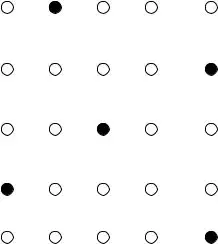
Look at the first sample problem below. To find the correct answer, look in the table at the row labeled B and the column labeled 71027. The bill due date is 03. The circle under 03 has been blackened to show this is the correct answer. Complete the four remaining problems.
Letter and
ZIP Code |
|
|
|
|
|
|
10 |
03 |
05 |
15 |
None |
1. |
|
|
|
|
|
2. |
09 |
12 |
19 |
18 |
None |
3. |
08 |
17 |
25 |
11 |
None |
4. |
21 |
12 |
10 |
02 |
None |
5. |
03 |
11 |
17 |
27 |
None |

SAMPLE TEST QUESTIONS
Coding
Look at the sample table of codes. The sample table lists codes for Department, Department Size, and Travel Budget. Below the table are two sample problems. In the problems, darken the circles below the codes that correspond to the information found in the table.
Sample Table
Department |
Department Size |
Travel Budget |
||
31 |
Marketing |
1 |
A |
|
25 |
Operations |
2 |
B |
|
42 |
Accounting |
3 |
C |
|
11 |
Research & Development 4 |
D |
||
28 |
Personnel |
5 |
60 or more employees |
E |
|
|
|
|
|
S1. Accounting Dept., staff of 10, $3,000 Travel Budget.
Department |
|
Department Size |
Travel Budget |
||||
11 25 28 31 42 |
1 |
2 |
3 |
4 |
5 |
A B |
C D E |
S2. Marketing Dept., staff of 45, $9,500 Travel Budget.
Department |
|
Department Size |
Travel Budget |
||||
11 25 28 31 42 |
1 |
2 |
3 |
4 |
5 |
A B |
C D E |
Be sure that you mark a code under each section of every problem.
SAMPLE TEST ANSWERS
Using Tables
This is a test of your ability to get information from tables. Look at the table shown below. This table gives the day of the month when a customer’s bill is due. The table is arranged by ZIP Code (71027, 73992, 75195, 78001, and 79504) and first letter of the customer’s last name.
Sample Table
First Letter |
|
|
ZIP Code |
|
|
Last Name |
71027 |
73992 |
75195 |
78001 |
79504 |
A |
05 |
13 |
04 |
25 |
11 |
B |
03 |
10 |
20 |
17 |
28 |
C |
15 |
21 |
12 |
01 |
20 |
D |
22 |
09 |
08 |
15 |
19 |
|
|
|
|
|
|
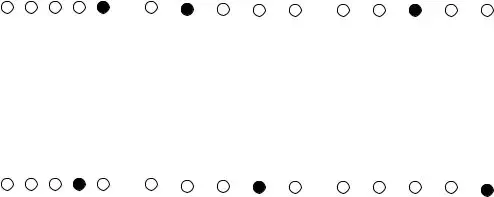
Look at the first sample problem below. To find the correct answer, look in the table at the row labeled B and the column labeled 71027. The bill due date is 03. The circle under 03 has been blackened to show this is the correct answer. Look at the next problem. The bill due date is 08 (row D, column 75195). The answer 08 is not shown in the problem, so NONE is marked as the correct answer. Now look at the remaining sample items. They have been answered correctly.
Letter and
ZIP Code
|
10 |
03 |
05 |
15 |
None |
1. |
|
|
|
|
|
2. |
09 |
12 |
19 |
18 |
None |
3. |
08 |
17 |
25 |
11 |
None |
4. |
21 |
12 |
10 |
02 |
None |
5. |
03 |
11 |
17 |
27 |
None |
SAMPLE TEST ANSWERS
Coding
Look at the sample table of codes. The sample table lists codes for Department, Department Size, and Travel Budget. Below the table are two sample problems. In the problems, darken the circles below the codes that correspond to the information found in the table. Now, look at the remaining sample items. They have been answered correctly.
Sample Table
Department |
Department Size |
Travel Budget |
||
31 |
Marketing |
1 |
A |
|
25 |
Operations |
2 |
B |
|
42 |
Accounting |
3 |
C |
|
11 |
Research & Development 4 |
D |
||
28 |
Personnel |
5 |
60 or more employees |
E |
|
|
|
|
|
S1. Accounting Dept., staff of 10, $3,000 Travel Budget.
Department |
|
Department Size |
Travel Budget |
||||
11 25 28 31 42 |
1 |
2 |
3 |
4 |
5 |
A B |
C D E |
S2. Marketing Dept., staff of 45, $9,500 Travel Budget.
Department |
|
Department Size |
Travel Budget |
||||
11 25 28 31 42 |
1 |
2 |
3 |
4 |
5 |
A B |
C D E |
It would be worthwhile to go back and look at the questions you missed. Did you understand the instructions? Did you read the questions carefully? Did you miss an important word? By checking over the questions you missed, you can help yourself to understand why you missed them. This will help you when you take that important pre- employment test for that job you want.
GOOD LUCK!
| Fact Name | Description |
|---|---|
| Test Purpose | The Meter Reader test is designed to help SCE select qualified candidates for meter reading positions by measuring their skills and abilities objectively. |
| Test Components | This test battery includes two main tests: Using Tables and Coding, both consisting of multiple-choice questions. |
| Time Limits | Each test has a strict time limit; Using Tables is 6 minutes and Coding is 5 minutes. Candidates must adhere to these limits. |
| Test Duration | The total duration of the test session, including instructions, is approximately 20 minutes. |
| Preparation Tips | Candidates should ensure they are well-rested, have a good meal, and arrive early at the testing location to avoid missing the session. |
| Answer Sheet Instructions | It is crucial to mark answers clearly on a separate answer sheet and to erase any changes thoroughly to avoid misreading by the scanner. |
| Scoring Method | Scores from both tests are combined to create an overall battery score, which determines qualification. Candidates can balance strengths and weaknesses across tests. |
| Sample Questions | The booklet includes sample questions to help candidates familiarize themselves with the types of questions they will encounter during the test. |
| Test Strategies | During the test, candidates should stay calm, read directions carefully, and manage their time effectively by not dwelling on difficult questions. |
| Governing Laws | The Meter Reader Practice Test is governed by employment laws that ensure fair testing practices and equal opportunity for all candidates. |
Filling out the Meter Reader Practice Test form is a straightforward process. Follow these steps to ensure that you complete the form correctly and efficiently. Make sure to take your time and double-check your answers before submitting the form.
The Meter Reader Practice Test form is designed to help candidates prepare for the Meter Reader test battery. It provides essential information, including descriptions of the tests, sample questions, and strategies to enhance test-taking skills. By familiarizing yourself with the content, you can increase your confidence and improve your chances of success.
These tests are essential for helping SCE select the most qualified candidates for Meter Reader positions. They offer an objective way to measure the skills and abilities of applicants. Generally, those who perform better on these tests are more likely to succeed in the job, making the testing process a valuable tool for both the employer and the candidates.
The Meter Reader test battery consists of two main tests: Using Tables and Coding. Each test contains multiple-choice questions that assess basic abilities. Each test is timed separately, requiring you to mark your answers on a designated answer sheet. The time limits are as follows:
It’s important to adhere strictly to these time limits during the actual testing session.
Preparation is key to performing well. Here are some strategies to consider:
Following these tips can help you feel more relaxed and focused during the test.
The tests are scored by combining the points from both sections to produce an overall battery score. You do not need to pass each test individually; instead, your overall performance determines your qualification. This allows you to balance strengths and weaknesses across different areas, though it is still important to aim for your best effort on all tests.
During the test, you will be expected to remain calm and focused. Listen carefully to the directions given, and read all instructions thoroughly. It’s advisable to attempt every question, even if you are unsure of the answer. If you encounter a difficult question, move on and return to it later if time permits. Remember, many candidates may not finish all questions within the time limit, so do your best without stressing over unanswered items.
Yes, you may be required to bring certain aids or documents to the test. This could include items like a calculator, a driver’s license, or other forms of identification. Always check your scheduling letter for specific requirements to ensure you are fully prepared on test day.
It’s perfectly normal to feel uncertain about some questions. The tests are designed with the understanding that most candidates will not be able to answer every question within the time limit. Focus on doing your best, and remember that it’s okay to skip questions and return to them later if you have time.
Filling out the Meter Reader Practice Test form can be a straightforward process, but many candidates make common mistakes that could affect their performance. Understanding these errors can help improve your chances of success. Here are seven mistakes to avoid.
One frequent mistake is not reading the instructions carefully. Each section of the test has specific directions that must be followed. Skipping over these instructions can lead to misunderstandings about how to complete the answer sheets or even how to approach the questions. Take the time to read everything thoroughly before starting the test.
Another common error involves misplacing answers on the answer sheet. Candidates sometimes forget to double-check that they are marking their answers in the correct spaces. This can result in answers being counted as incorrect simply because they were placed in the wrong location. Regularly verify that your answers align with the corresponding questions.
Some individuals also struggle with time management. Given the strict time limits for each section, it is essential to pace yourself appropriately. Spending too long on a single question can prevent you from completing the test. If you encounter a challenging question, it’s advisable to move on and return to it later if time permits.
Additionally, changing answers without erasing thoroughly can lead to confusion. If you decide to revise an answer, ensure that the original mark is completely erased. Leaving any trace of the first answer may confuse the test scanner, resulting in an incorrect score.
Another mistake is overthinking questions. Candidates often second-guess themselves and end up changing answers that were initially correct. Trust your instincts and go with your first choice unless you have a strong reason to change it.
Some test-takers neglect the importance of preparation. Familiarizing yourself with the sample questions provided in the booklet can significantly enhance your confidence and performance. Practice helps you understand the format and types of questions you will encounter, making you better equipped on test day.
Finally, failing to bring necessary materials is a critical oversight. Ensure that you have all required items, such as identification, a calculator (if needed), and any other specified documents. Arriving unprepared can lead to disqualification from the test, which is a situation that can easily be avoided with proper planning.
By being aware of these common mistakes, candidates can approach the Meter Reader Practice Test with greater confidence and clarity. Preparation and attention to detail are key to achieving the best possible results.
The Meter Reader Practice Test form is an essential tool for preparing for the Meter Reader test. However, there are several other documents that can enhance your preparation and help ensure you meet all requirements for the testing process. Below is a list of related forms and documents that you may find useful.
Having these documents ready can streamline your testing experience and boost your confidence. Be sure to review each one carefully, as they all play a vital role in your preparation and success on the Meter Reader test.
When preparing to fill out the Meter Reader Practice Test form, there are several important dos and don'ts to keep in mind. Following these guidelines can help ensure a smooth testing experience.
By adhering to these guidelines, you can approach the Meter Reader Practice Test with greater confidence and clarity.
Here are eight common misconceptions about the Meter Reader Practice Test form:
This is not true. The tests are designed to assess your skills, not to trick you. With adequate preparation, you can perform well.
It's expected that most candidates will not finish all questions within the time limit. Focus on accuracy rather than quantity.
The tests measure basic abilities through practical scenarios, not just theoretical knowledge.
Preparation is crucial. Familiarizing yourself with the test format and practicing sample questions can significantly improve your performance.
The time limits must be strictly followed. Each section has a specific duration, and you should manage your time accordingly.
Only bring what is specified in your scheduling letter. This typically includes identification and any required aids, like a calculator.
Retake policies vary. Check with the testing authority to understand the rules regarding retaking the tests.
Your overall score is a combination of all tests in the battery. You can compensate for weaker areas with stronger performance in others.
Here are some key takeaways to keep in mind while filling out and using the Meter Reader Practice Test form:
By keeping these takeaways in mind, you can approach the Meter Reader Practice Test with greater confidence and clarity.