Content Navigation

The NC Custody Form is a crucial document for parents navigating custody arrangements in North Carolina. This form addresses key aspects of child custody, including legal and physical custody, visitation schedules, and decision-making authority. It is designed to ensure that the best interests of the child are prioritized while providing clarity and structure for both parents. Completing this form accurately is essential, as it can influence the court's decisions regarding custody and visitation rights. The form requires detailed information about each parent's living situation, the child's needs, and any relevant history that may impact custody decisions. Additionally, it includes sections for parents to outline their proposed custody plans and any agreements reached between them. Understanding the importance of this form and the implications of its contents can significantly affect the outcome of custody proceedings.


Nc Custody Example






 !"#$
% $!&&






 !"#$ % #
 $## 
!#&
'((!)*%
(*%
'((*%
'+(((*%
,--(-(.)
*%
'(.).*%
)
())(
/&0#!!0 &102 ! 
'!  
() *
+,
 .,
 345
 6) )
(-))
-7768

4 674
4 9(:)
;9(%-(8:<
4 ,=.)
4 8

>
#-)!.)
.(?.
)+.)@
.(..)@
'+.(7(.
.(/)-*
'+.@)A)@
7)
.+)@7
'.
)9:9:
"(!0)*1

';<;<.)@)?=;
7<(9
:'((..
'+)(.?;B+B
<
)())@)?
;B)B<
"()*1
'.9:
+)(.?;B+B
<
'.?.
).

.'))(
)..'
.)).
?+)(B)
B
)?)
()(
((.
9?:

(C0)@.@

2
"(21*
94:).()
.,+.)(
BB')(
()
@(.(
.)(4
)(.@.@(
(D(?

"(*1
'9:
D.).
)
"()*1
'9,:
;<')

08E-'
('.)
.)
!
##-")#)21
-)))C)@
(3)5.5.5'
)C+)

F
)
&))1
.C@(
5
()(..
8).(C
).
3-#) 1
(
)@.
.(

)-')((
)'
9):)
)?

)))?@.(
'.((
4-#.)#1
8).(
D.(.(
$
###-
5+,
>94:
+,
))(
65567#)0+,
))(
#
+50/,
1
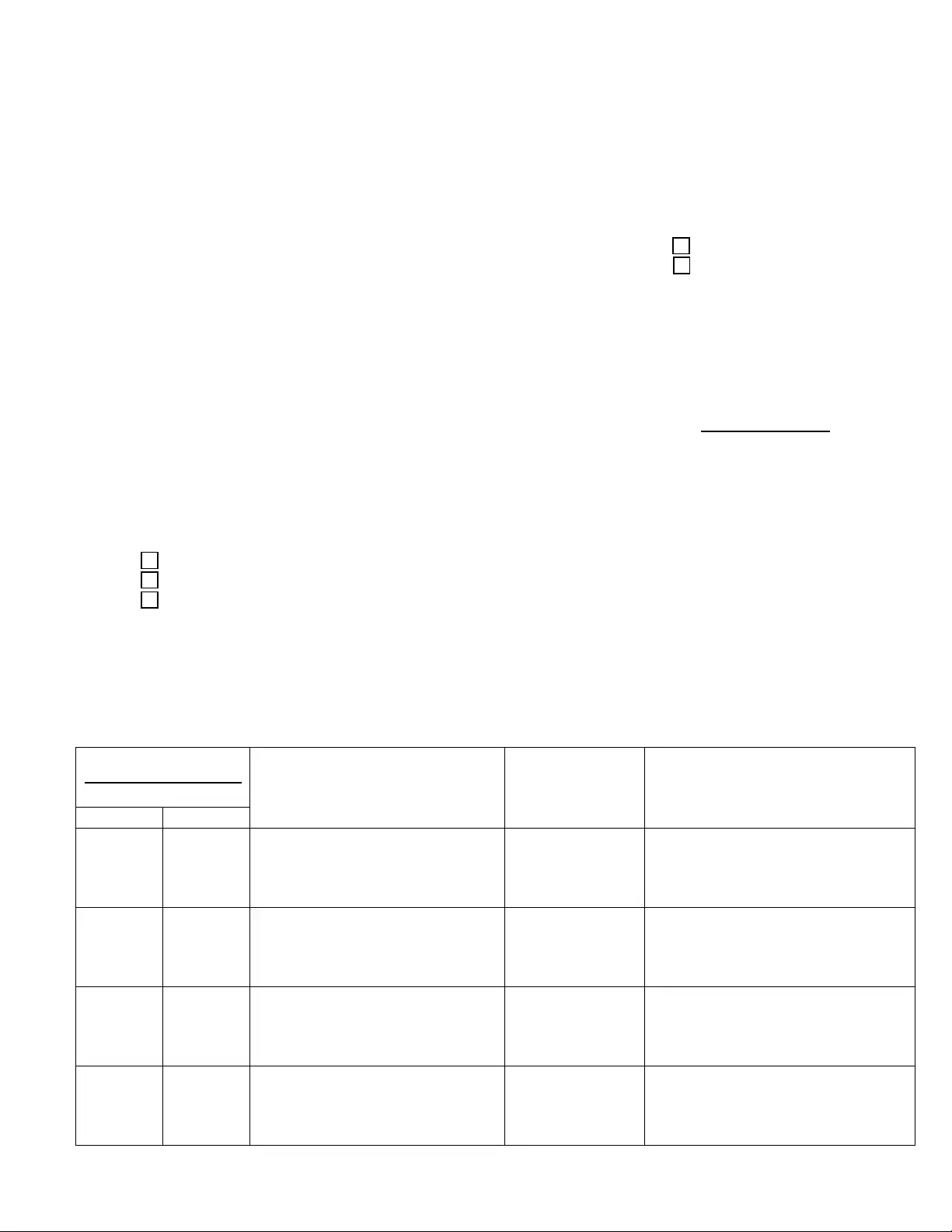
STATE OF NORTH CAROLINA
County of _______________________
In the General Court of Justice
District Court Division
File _________________________
________________________________
Name of Plaintiff
)
)
)
)
v.
)
)
)
COMPLAINT FOR CUSTODY
VISITATION
[COMP CUST/VIST]
________________________________
Name of Defendant
)
)
)
NOW COMES THE PLAINTIFF, complaining of the Defendant, and alleges and says:
1. The Plaintiff is a resident and citizen of ___________________ County, in the State of North Carolina
.
2. The Defendant is a resident and citizen of _________________ County, in the State of ___________________.
3. The parties (check one)
are married but living separate and apart.
are divorced.
have never been married.
4. The parties are the parents of the following child[ren]: ______________________________________________
___________________________________________________________________________________________
5. FIRST CHILD. During the past five (5) years the minor child, ____________________________________,
born on _______________________ has lived as follows:
Period Of Residence
Dates
From To
Address
Name of Person
Lived With
Present Address Of Person
Present
2
(Check
ONLY
those that apply)
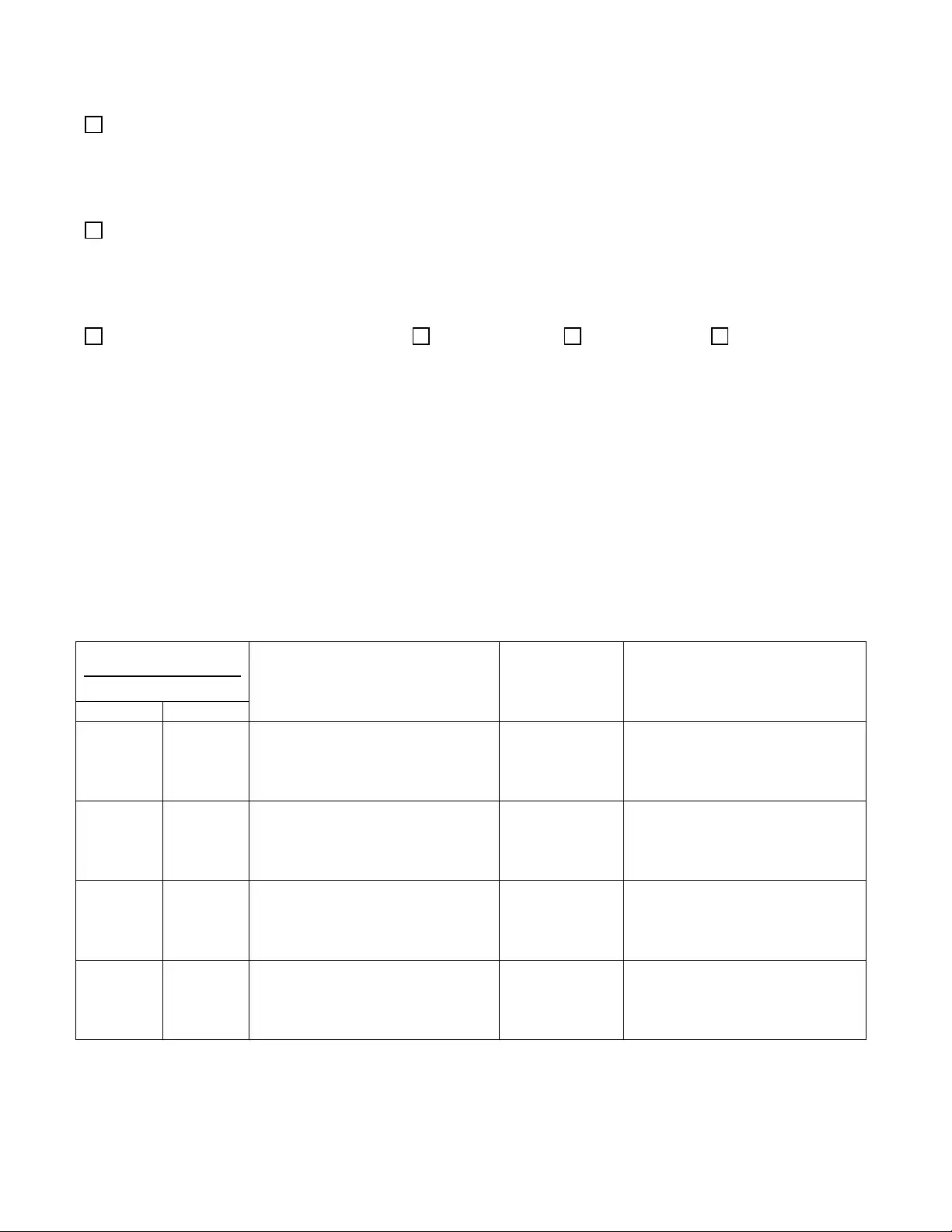
I have participated in litigation concerning the custody of the above named child.
Name of Court
___________________________
Case Number
___________________________
Date of Decision
___________________________
I have information of a lawsuit concerning the above named child in a court in North Carolina or another state.
Name of Court
___________________________
Case Number
___________________________
Nature of Proceeding
___________________________
I know of a person as listed below, who has Physical Custody Claimed Custody Claimed Visitation
Rights with respect to the above named child.
Name and Address of Person(s)
_____________________________________________________________________________________
_____________________________________________________________________________________
(Use only if another child. Use additional pages as necessary.)
SECOND CHILD. During the past five (5) years the minor child, _________________________________, born
on _______________________ has lived as follows:
Period Of Residence
Dates
From To
Address
Name of
Person Lived
With
Present Address Of Person
Present

File Breakdown

Fact Name Details
Governing Law The North Carolina custody form is governed by North Carolina General Statutes, Chapter 50.
Purpose This form is used to establish custody arrangements for children in North Carolina.
Eligibility Parents or legal guardians seeking custody can use this form.
Filing Location The completed form must be filed in the appropriate county court in North Carolina.
Required Information Information about both parents, the child, and the desired custody arrangement is required.
Signature Requirement Both parents must sign the form to validate the custody agreement.
Modification Process To modify custody, a new form must be filed with the court, outlining the changes.
Legal Advice It is advisable to seek legal counsel before completing the form to ensure all rights are protected.

Guide to Using Nc Custody

Filling out the North Carolina custody form is an important step in addressing child custody matters. After completing the form, it will need to be submitted to the appropriate court for review. Ensure all information is accurate and complete to facilitate the process.

  1. Begin by gathering all necessary information about yourself and the other parent. This includes names, addresses, and contact details.
  2. Fill in the section that identifies the child or children involved. Provide their full names and dates of birth.
  3. Indicate the type of custody arrangement you are seeking. This may include joint custody, sole custody, or visitation rights.
  4. Provide details about the current living situation of the child or children. Include where they live and who they live with.
  5. Outline any existing custody agreements or court orders. If applicable, include the date of these agreements.
  6. Describe your proposed custody arrangement. Be clear and specific about your wishes regarding physical and legal custody.
  7. Sign and date the form at the designated area. Ensure your signature is legible.
  8. Make a copy of the completed form for your records before submitting it.

Get Answers on Nc Custody

What is the NC Custody Form?

The NC Custody Form is a legal document used in North Carolina to establish or modify child custody arrangements. It outlines the rights and responsibilities of each parent regarding the care and upbringing of their children. This form is essential for parents who are going through a separation or divorce and need to formalize custody agreements in a court setting.

Who should fill out the NC Custody Form?

Typically, the NC Custody Form should be filled out by parents or guardians who are seeking custody of their child. If you are a parent looking to establish, modify, or contest a custody arrangement, this form is relevant to you. It is also advisable for legal representatives, such as attorneys, to assist in completing the form to ensure all necessary information is accurately provided.

What information is required on the NC Custody Form?

When filling out the NC Custody Form, you will need to provide various details, including:

  • Your name and contact information.
  • Your child's name, date of birth, and current living situation.
  • Details about the other parent, including their contact information.
  • Information about your current custody arrangement, if applicable.
  • Your proposed custody arrangement and reasons for the request.

Completing this form accurately is crucial, as it serves as the basis for the court's decision regarding custody.

How do I submit the NC Custody Form?

Once you have completed the NC Custody Form, you will need to file it with the appropriate court. This is usually the district court in the county where your child resides. Be prepared to pay a filing fee, which varies by county. After submission, you will receive a court date for a hearing, where both parents can present their case regarding custody.

Can I modify the NC Custody Form after submission?

Yes, modifications to the NC Custody Form can be made after submission. If circumstances change, such as a significant change in living conditions or parental circumstances, you can file a motion to modify the custody agreement. This requires completing a new form and providing a valid reason for the requested changes. Always consult with a legal professional to ensure that your modifications are appropriately handled.

What happens if the other parent does not agree with the NC Custody Form?

If the other parent disagrees with the terms outlined in the NC Custody Form, they have the right to contest it in court. Both parents will have the opportunity to present their case during a custody hearing. The court will then consider the best interests of the child before making a decision. It is advisable to seek legal counsel to navigate this process effectively.

Common mistakes

When filling out the North Carolina Custody form, individuals often encounter common pitfalls that can lead to complications in their custody case. Understanding these mistakes can help ensure that the form is completed accurately and effectively. Here are four frequent errors to watch out for.

One common mistake is incomplete information. It’s crucial to provide all requested details, including names, addresses, and contact information. Leaving out any section can delay the process or even result in the form being rejected. Each piece of information serves a purpose, and missing details can create confusion for the court.

Another error involves failing to follow instructions. Each section of the form typically comes with specific guidelines. Ignoring these instructions can lead to misunderstandings about what is being requested. For instance, if the form asks for the reasons for seeking custody, providing vague or generic answers may not adequately convey the situation to the judge.

People also often overlook the importance of signatures and dates. Not signing the form or forgetting to date it can invalidate the submission. A signature is a critical part of the process, indicating that the information provided is truthful and complete. Without it, the court may not accept the form, leading to unnecessary delays.

Lastly, individuals sometimes make the mistake of not seeking assistance when needed. Filling out legal forms can be daunting, and many people feel overwhelmed. However, seeking help from a legal professional or a knowledgeable friend can provide clarity and ensure that the form is completed correctly. It’s better to ask for assistance than to risk submitting an incomplete or incorrect form.

Documents used along the form

When navigating custody arrangements in North Carolina, several forms and documents accompany the NC Custody form. Understanding these documents is essential for ensuring a smooth process and protecting the rights of all parties involved. Below is a list of commonly used forms that may be necessary.

  • Child Support Worksheet: This document calculates the amount of child support one parent may owe to the other. It factors in income, expenses, and the needs of the child.
  • Affidavit of Indigency: If a parent cannot afford to pay court fees, this form allows them to request a waiver of those fees based on financial hardship.
  • Parenting Agreement: A voluntary document outlining the responsibilities and rights of each parent regarding the child's upbringing, including visitation schedules and decision-making authority.
  • Motion to Modify Custody: This form is used to request changes to an existing custody arrangement, often due to changes in circumstances that affect the child's welfare.
  • Notice of Hearing: This document informs all parties involved about the date, time, and location of a court hearing related to custody matters.
  • Custody Evaluation Report: A report prepared by a mental health professional or social worker who assesses the family situation and makes recommendations regarding custody and visitation.
  • Certificate of Service: This form proves that all necessary documents have been properly delivered to the other party, ensuring that they are informed of the proceedings.
  • Temporary Custody Order: A short-term order issued by the court to establish custody arrangements until a final decision is made.
  • Final Custody Order: This is the court’s official ruling on custody matters, outlining the permanent custody arrangement and responsibilities of each parent.

Each of these documents plays a crucial role in the custody process. Familiarity with them can help parents navigate the complexities of custody arrangements more effectively, ensuring that the best interests of the child remain the priority.

Similar forms

The North Carolina Custody Form serves as a crucial document in family law, particularly concerning child custody matters. Several other legal documents share similarities with this form, each serving a unique purpose in family law or related legal areas. Below is a list of these documents, highlighting their similarities with the North Carolina Custody Form.

  • Child Support Worksheet: Like the custody form, this worksheet is used in family court to outline financial responsibilities regarding children. Both documents aim to ensure the best interests of the child are prioritized.
  • Visitation Agreement: This document details the terms of visitation for non-custodial parents. Similar to the custody form, it focuses on the welfare of the child and establishes clear guidelines for parental access.
  • Parenting Plan: A parenting plan outlines how parents will raise their children post-separation. This document, like the custody form, emphasizes cooperation between parents to foster a healthy environment for the child.
  • Modification of Custody Order: When circumstances change, a modification request is filed to alter existing custody arrangements. This document is similar in that it also addresses custody issues and seeks to reflect the child's best interests.
  • Temporary Custody Order: This order is often issued during divorce proceedings to establish custody arrangements until a final decision is made. Like the custody form, it aims to provide immediate stability for the child.
  • Affidavit of Parentage: This document establishes the legal relationship between a parent and child. Similar to the custody form, it is essential for determining parental rights and responsibilities.
  • Child Custody Evaluation Report: Conducted by a mental health professional, this report assesses the family dynamics and makes recommendations regarding custody. It shares the custody form's focus on the child's well-being.
  • Consent Order: This legal document reflects an agreement between parents regarding custody and visitation. Like the custody form, it is designed to formalize arrangements that serve the child's best interests.
  • Final Custody Order: Issued by the court after a custody hearing, this document finalizes custody arrangements. It is similar to the custody form in that it legally defines the rights and responsibilities of each parent.

Dos and Don'ts

When filling out the North Carolina Custody form, there are some important things to keep in mind. Here’s a helpful list of dos and don’ts to guide you through the process.

  • Do read the instructions carefully before starting.
  • Do provide accurate and complete information.
  • Do use clear and legible handwriting or type the form.
  • Do double-check all entries for errors.
  • Do sign and date the form where required.
  • Don't leave any sections blank unless instructed.
  • Don't use abbreviations that may confuse the reader.
  • Don't submit the form without making copies for your records.
  • Don't forget to include any required supporting documents.
  • Don't rush through the process; take your time to ensure accuracy.

Following these guidelines can help ensure that your form is completed correctly and submitted successfully. Good luck!

Misconceptions

Understanding the nuances of the North Carolina custody form is essential for parents navigating custody arrangements. However, several misconceptions can lead to confusion. Below is a list of common misunderstandings about the NC custody form, along with clarifications for each.

  • The form guarantees custody rights. Many believe that simply completing the custody form ensures they will receive custody. In reality, the court considers various factors before making a decision.
  • Only one parent needs to fill out the form. Some think that only the custodial parent must submit the form. Both parents should be involved in the process to ensure fairness and transparency.
  • The form is the same for all custody cases. There is a misconception that one standard form fits all situations. Different custody cases may require different forms or additional documentation.
  • Once filed, the custody arrangement is permanent. Many assume that the custody arrangement established through the form is unchangeable. However, custody can be modified if circumstances change significantly.
  • Filing the form is the only step needed. Some people believe that submitting the form is sufficient to establish custody. In reality, a court hearing is often necessary to finalize the arrangement.
  • The form can be filled out without legal advice. While it is possible to complete the form independently, many parents benefit from consulting with a legal professional to ensure all aspects are covered.
  • Children's preferences are always considered. There is a belief that the child's wishes will automatically dictate the custody decision. While their preferences may be taken into account, they are not the sole factor.
  • Only married parents can use the form. Some think that the custody form is exclusively for married couples. Unmarried parents also have the right to use this form to establish custody arrangements.
  • Filing fees are the same in every county. A common misconception is that all counties charge the same fees for filing custody forms. Fees can vary based on the county, so it’s important to check local regulations.
  • Once custody is established, child support is not necessary. Some parents mistakenly believe that securing custody negates the need for child support. In fact, child support is a separate issue that must be addressed regardless of custody arrangements.

By understanding these misconceptions, parents can better navigate the complexities of the custody process in North Carolina. Being informed helps ensure that the best interests of the child are prioritized.

Key takeaways

Filling out the North Carolina custody form is an important step in establishing custody arrangements. Here are some key takeaways to consider:

  • Understand the purpose of the form. It is designed to help determine custody arrangements that serve the best interests of the child.
  • Gather necessary information before starting. This includes details about the child, parents, and any relevant history.
  • Be clear and concise when filling out the form. Avoid using vague language to ensure your intentions are understood.
  • Use accurate and up-to-date information. Misinformation can lead to delays or complications in the custody process.
  • Check for required signatures. Ensure that all necessary parties have signed the form where indicated.
  • File the form with the appropriate court. Make sure to follow local rules regarding where and how to submit the form.
  • Keep copies of all documents. Retain a copy for your records and for future reference.
  • Be prepared for potential follow-up. After filing, you may need to attend a hearing or provide additional information.
  • Consult with a legal professional if needed. They can provide guidance tailored to your specific situation.
  • Stay informed about your rights and responsibilities as a parent. Understanding these can help you navigate the custody process more effectively.