The North Carolina Disclosure Statement form plays a crucial role in the real estate transaction process, particularly for residential properties. This form is designed to ensure transparency between property owners and potential buyers. Under the Residential Property Disclosure Act, sellers of residential real estate—including single-family homes, condominiums, and townhouses—are required to provide this disclosure statement to prospective buyers. The form covers a range of important aspects regarding the property, such as its condition, any known issues, and information about the owners’ association if applicable. Sellers must answer a series of questions that address the property's structural integrity, systems like plumbing and electrical, and any environmental concerns. If sellers indicate a problem, they must provide explanations or supporting documentation from qualified professionals. It’s also important to note that this disclosure is not required for certain transactions, such as the first sale of an uninhabited dwelling. Buyers should receive this completed statement before making an offer, as it protects their rights and informs their decision-making process. By encouraging open communication about property conditions, the North Carolina Disclosure Statement helps foster trust and accountability in real estate dealings.

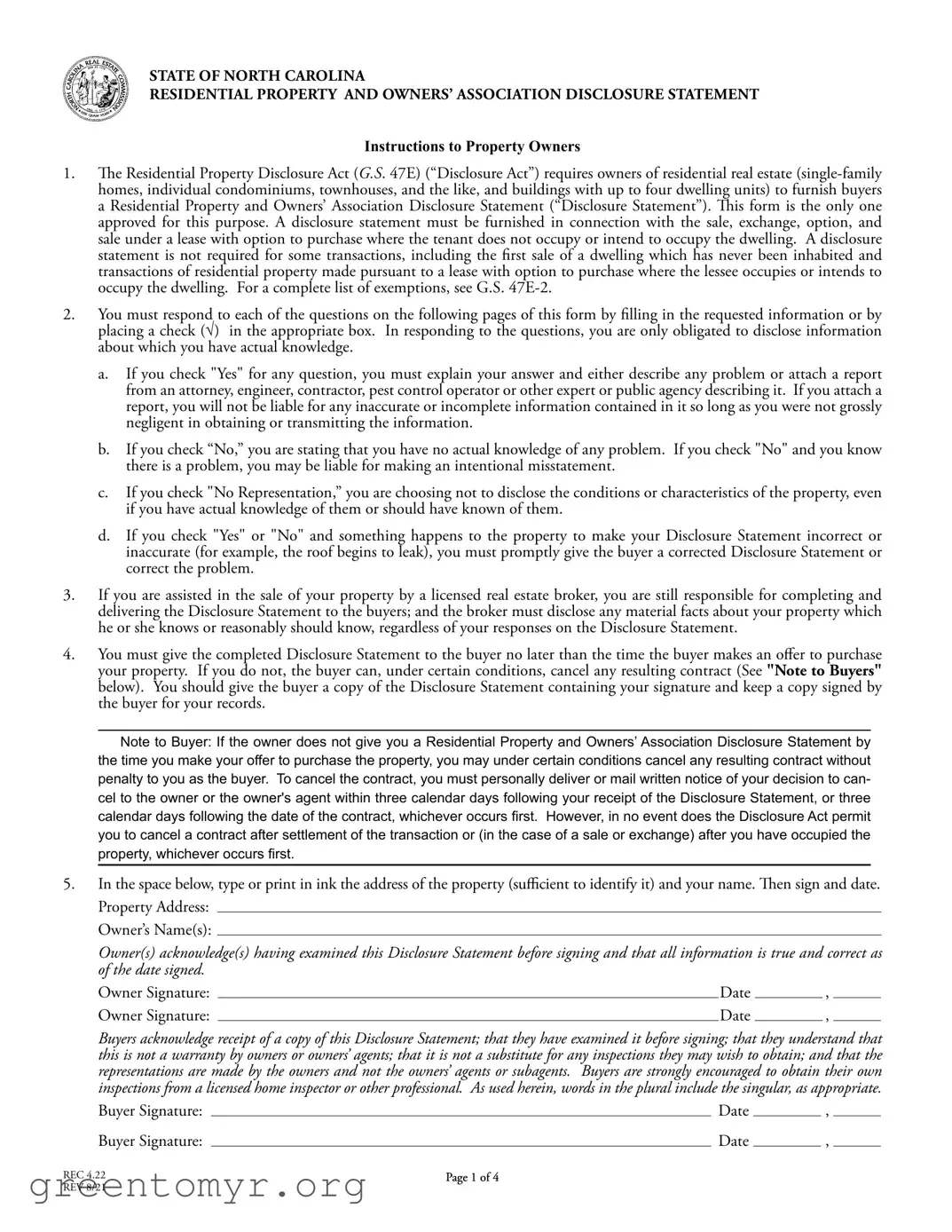
STATE OF NORTH CAROLINA
RESIDENTIAL PROPERTY AND OWNERS’ ASSOCIATION DISCLOSURE STATEMENT
Instructions to Property Owners
1.The Residential Property Disclosure Act (G.S. 47E) (“Disclosure Act”) requires owners of residential real estate
aResidential Property and Owners’ Association Disclosure Statement (“Disclosure Statement”). This form is the only one approved for this purpose. A disclosure statement must be furnished in connection with the sale, exchange, option, and sale under a lease with option to purchase where the tenant does not occupy or intend to occupy the dwelling. A disclosure statement is not required for some transactions, including the first sale of a dwelling which has never been inhabited and transactions of residential property made pursuant to a lease with option to purchase where the lessee occupies or intends to occupy the dwelling. For a complete list of exemptions, see G.S.
2.You must respond to each of the questions on the following pages of this form by filling in the requested information or by placing a check (√) in the appropriate box. In responding to the questions, you are only obligated to disclose information about which you have actual knowledge.
a.If you check "Yes" for any question, you must explain your answer and either describe any problem or attach a report from an attorney, engineer, contractor, pest control operator or other expert or public agency describing it. If you attach a report, you will not be liable for any inaccurate or incomplete information contained in it so long as you were not grossly negligent in obtaining or transmitting the information.
b.If you check “No,” you are stating that you have no actual knowledge of any problem. If you check "No" and you know there is a problem, you may be liable for making an intentional misstatement.
c.If you check "No Representation,” you are choosing not to disclose the conditions or characteristics of the property, even if you have actual knowledge of them or should have known of them.
d.If you check "Yes" or "No" and something happens to the property to make your Disclosure Statement incorrect or inaccurate (for example, the roof begins to leak), you must promptly give the buyer a corrected Disclosure Statement or correct the problem.
3.If you are assisted in the sale of your property by a licensed real estate broker, you are still responsible for completing and delivering the Disclosure Statement to the buyers; and the broker must disclose any material facts about your property which he or she knows or reasonably should know, regardless of your responses on the Disclosure Statement.
4.You must give the completed Disclosure Statement to the buyer no later than the time the buyer makes an offer to purchase your property. If you do not, the buyer can, under certain conditions, cancel any resulting contract (See "Note to Buyers" below). You should give the buyer a copy of the Disclosure Statement containing your signature and keep a copy signed by the buyer for your records.
Note to Buyer: If the owner does not give you a Residential Property and Owners’ Association Disclosure Statement by the time you make your offer to purchase the property, you may under certain conditions cancel any resulting contract without penalty to you as the buyer. To cancel the contract, you must personally deliver or mail written notice of your decision to can- cel to the owner or the owner's agent within three calendar days following your receipt of the Disclosure Statement, or three calendar days following the date of the contract, whichever occurs first. However, in no event does the Disclosure Act permit you to cancel a contract after settlement of the transaction or (in the case of a sale or exchange) after you have occupied the property, whichever occurs first.
5.In the space below, type or print in ink the address of the property (sufficient to identify it) and your name. Then sign and date. Property Address:
Owner’s Name(s):
Owner(s) acknowledge(s) having examined this Disclosure Statement before signing and that all information is true and correct as of the date signed.
Owner Signature: |
|
Date |
|
, |
Owner Signature: |
|
Date |
|
, |
Buyers acknowledge receipt of a copy of this Disclosure Statement; that they have examined it before signing; that they understand that this is not a warranty by owners or owners’ agents; that it is not a substitute for any inspections they may wish to obtain; and that the representations are made by the owners and not the owners’ agents or subagents. Buyers are strongly encouraged to obtain their own inspections from a licensed home inspector or other professional. As used herein, words in the plural include the singular, as appropriate.
Buyer Signature: |
|
Date |
|
, |
Buyer Signature: |
|
Date |
|
, |
REC 4.22 |
Page 1 of 4 |
|
|
|
REV 8/21 |
|
|
|
|
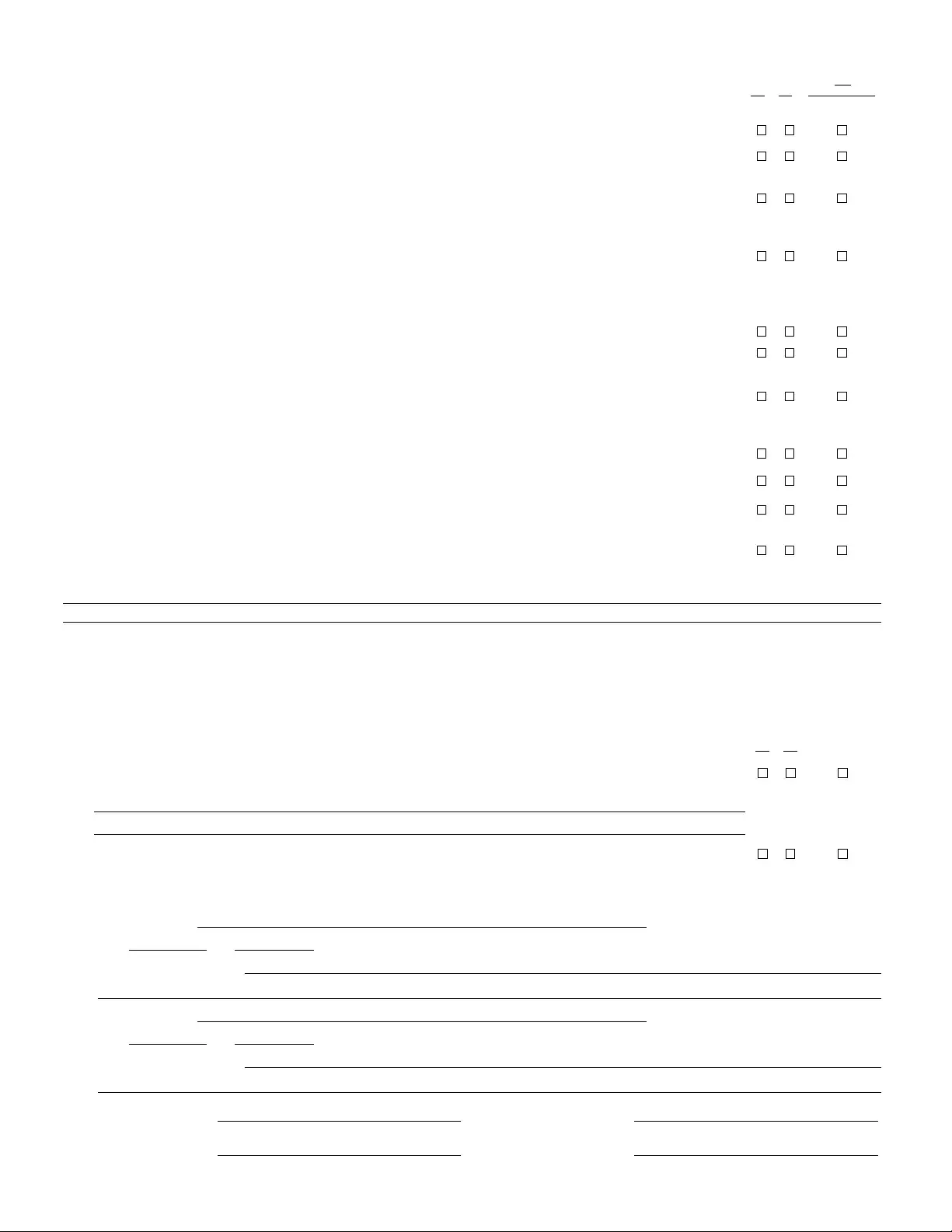
Property Address/Description:
The following questions address the characteristics and condition of the property identified above about which the owner has actual knowledge. Where the question refers to “dwelling,” it is intended to refer to the dwelling unit, or units if more than one, to be conveyed with the property. The term “dwelling unit” refers to any structure intended for human habitation.
No
Yes No Representation
1. In what year was the dwelling constructed? |
|
. |
|
Explain if necessary: |
|
|
|
2.Is there any problem, malfunction or defect with the dwelling’s foundation, slab, fireplaces/chimneys, floors, windows (including storm windows and screens), doors, ceilings, interior and exterior walls, attached garage,
|
patio, deck or other structural components including any modifications to them? |
|
|||||||
3. |
The dwelling’s exterior walls are made of what type |
of material? Brick Veneer |
Wood |
Stone |
|||||
|
Vinyl Synthetic Stucco Composition/Hardboard |
Concrete Fiber Cement Aluminum |
Asbestos |
||||||
|
Other |
|
|
|
|
|
(Check all that apply) |
||
4. |
In what year was the dwelling’s roof covering installed? |
|
|
(Approximate if no records are |
|||||
|
available) Explain if necessary: |
|
|
|
|
|
|
||
5. |
Is there any leakage or other problem with the dwelling’s roof? |
|
|||||||
6. Is there any water seepage, leakage, dampness or standing water in the dwelling’s basement, crawl space, or slab?
7.Is there any problem, malfunction or defect with the dwelling’s electrical system (outlets, wiring, panel,
switches, fixtures, generator, etc.)?..................................................................................................................
8. Is there any problem, malfunction or defect with the dwelling’s plumbing system (pipes, fixtures, water heater, etc.)?
9. Is there any problem, malfunction or defect with the dwelling’s heating and/or air conditioning?...................
10. What is the dwelling’s heat source? Furnace Heat Pump Baseboard Other (Check all that apply) Age of system:
11. What is the dwelling’s cooling source? Central Forced Air Wall/Window Unit(s) Other (Check all that apply) Age of system:
12.What are the dwelling’s fuel sources? Electricity Natural Gas Propane Oil Other (Check all that apply)
If the fuel source is stored in a tank, identify whether the tank is above ground or below ground, and whether the tank is leased by seller or owned by seller. (Check all that apply)
13. |
What is the dwelling’s water supply source? City/County |
Community System |
Private Well Shared |
||||||||
|
Well |
Other |
|
|
|
(Check all that apply) |
|
||||
14. |
The dwelling’s water pipes are made of what type of material? |
Copper Galvanized |
Plastic |
Polybutylene |
|||||||
|
Other |
|
|
(Check all that apply) |
........................................................................ |
|
|||||
15. |
Is there any problem, malfunction or defect with the dwelling’s water supply (including water quality, quantity, |
||||||||||
|
or water pressure)? |
|
|
|
|
|
|
||||
16. |
What is the dwelling’s sewage disposal system? |
Septic Tank Septic Tank with Pump |
Community |
||||||||
|
System |
|
Connected to City/County System |
City/County System available Straight pipe (wastewater |
|||||||
|
does not go into a septic or other sewer system [note: use of this type of system violates state law]) |
||||||||||
|
Other |
|
(Check all that apply) |
|
|
||||||
|
|
|
|
||||||||
17.If the dwelling is serviced by a septic system, do you know how many bedrooms are allowed by the septic system permit?
If your answer is “yes,” how many bedrooms are allowed? No records available
18. Is there any problem, malfunction or defect with the dwelling’s sewer and/or septic system?...........................
19.Is there any problem, malfunction or defect with the dwelling’s central vacuum, pool, hot tub, spa, attic fan, exhaust fan, ceiling fans, sump pump, irrigation system, TV cable wiring or satellite dish, garage door openers,
gas logs, or other systems?...............................................................................................................................
20. Is there any problem, malfunction or defect with any appliances that may be included in the conveyance
(range/oven, attached microwave, hood/fan, dishwasher, disposal, etc.)?..........................................................
Buyer Initials and Date |
|
Owner Initials and Date |
Buyer Initials and Date |
|
Owner Initials and Date |
REC 4.22 |
Page 2 of 4 |
|
REV 8/21 |
|
|
No
Yes No Representation
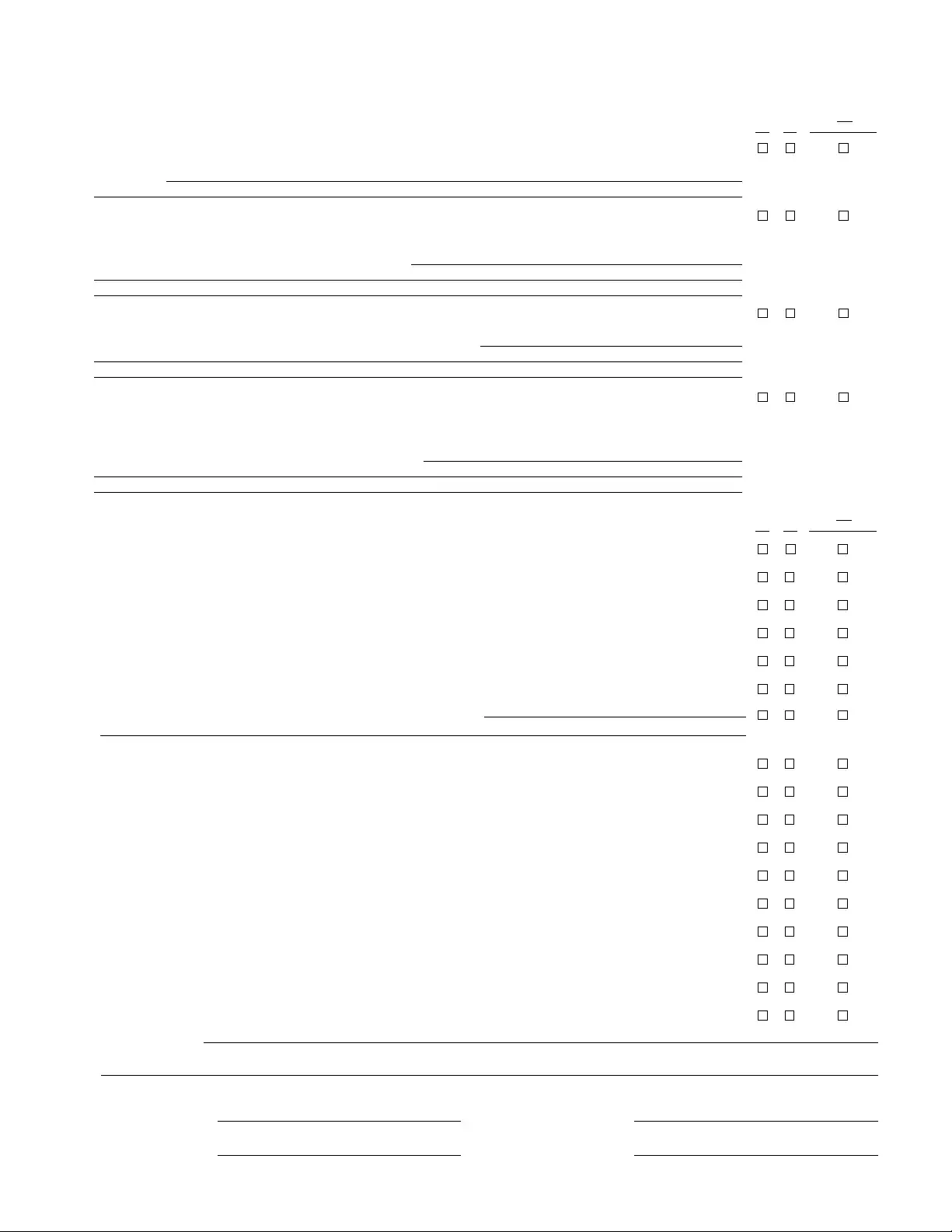
21. Is there any problem with present infestation of the dwelling, or damage from past infestation of wood
destroying insects or organisms which has not been repaired?..........................................................................
22. Is there any problem, malfunction or defect with the drainage, grading or soil stability of the property?..........
23. Are there any structural additions or other structural or mechanical changes to the dwelling(s) to be conveyed
with the property?...........................................................................................................................................
24.Is the property to be conveyed in violation of any local zoning ordinances, restrictive covenants, or other land- use restrictions, or building codes (including the failure to obtain proper permits for room additions or other
changes/improvements)?.................................................................................................................................
25.Are there any hazardous or toxic substances, materials, or products (such as asbestos, formaldehyde, radon gas, methane gas,
soil or water, or other environmental contamination) located on or which otherwise affect the property?.........
26. Is there any noise, odor, smoke, etc. from commercial, industrial, or military sources which affects the property?
27. Is the property subject to any utility or other easements, shared driveways, party walls or encroachments from
or on adjacent property?..................................................................................................................................
28.Is the property the subject of any lawsuits, foreclosures, bankruptcy, leases or rental agreements, judgments, tax liens, proposed assessments, mechanics' liens, materialmens' liens, or notices from any governmental agency that
could affect title to the property?...........................................................................................................................
29. Is the property subject to a flood hazard or is the property located in a
30. Does the property abut or adjoin any private road(s) or street(s)?....................................................................
31. If there is a private road or street adjoining the property, is there in existence any owners’ association or maintenance
agreements dealing with the maintenance of the road or street?..................................................................................
If you answered “yes” to any of the questions listed above
In lieu of providing a written explanation, you may attach a written report to this Disclosure Statement by a public agency, or by an attorney, engineer, land surveyor, geologist, pest control operator, contractor, home inspector, or other expert, dealing with matters within the scope of that public agency’s functions or the expert’s license or expertise.
The following questions pertain to the property identified above, including the lot to be conveyed and any dwelling unit(s), sheds, detached garages, or other buildings located thereon.
32.Is the property subject to governing documents which impose various mandatory covenants, conditions, and restrictions upon the lot or unit?.....................................................................................................................
If you answered “yes” to the question above, please explain (attach additional sheets if necessary):
33.Is the property subject to regulation by one or more owners’ association(s) including, but not limited to, obligations to pay regular assessments or dues and special assessments? If you answer is “yes,” please provide the information requested below as to each owners’ association to which the property is subject [insert N/A into any blank that does not apply]:
No
Yes No Representation
• (specify name) |
|
|
|
|
|
|
|
|
|
whose regular assessments |
(“dues”) |
||||
are $ |
|
|
per |
|
|
. The |
name, address and telephone number of the president of the owners’ association or the |
||||||||
|
|
|
|||||||||||||
association manager are |
|
|
|
|
|
|
|
|
|||||||
|
|
|
|
|
|
|
|
||||||||
|
|
|
|
|
|
|
|
|
|
|
|
|
|||
• (specify name) |
|
|
|
|
|
|
|
|
|
whose regular assessments |
(“dues”) |
||||
are $ |
|
|
per |
|
|
. The |
name, address and telephone number of the president of the owners’ association or the |
||||||||
association manager are |
|
|
|
|
|
|
|
|
|||||||
|
|
|
|
|
|
|
|
||||||||
|
|
|
|
|
|
|
|
|
|
|
|
||||
Buyer Initials and Date |
|
|
|
|
|
|
Owner Initials and Date |
|
|
|
|||||
Buyer Initials and Date |
|
|
|
|
|
|
Owner Initials and Date |
|
|
|
|||||
REC 4.22 |
Page 3 of 4 |
REV 8/21 |
|
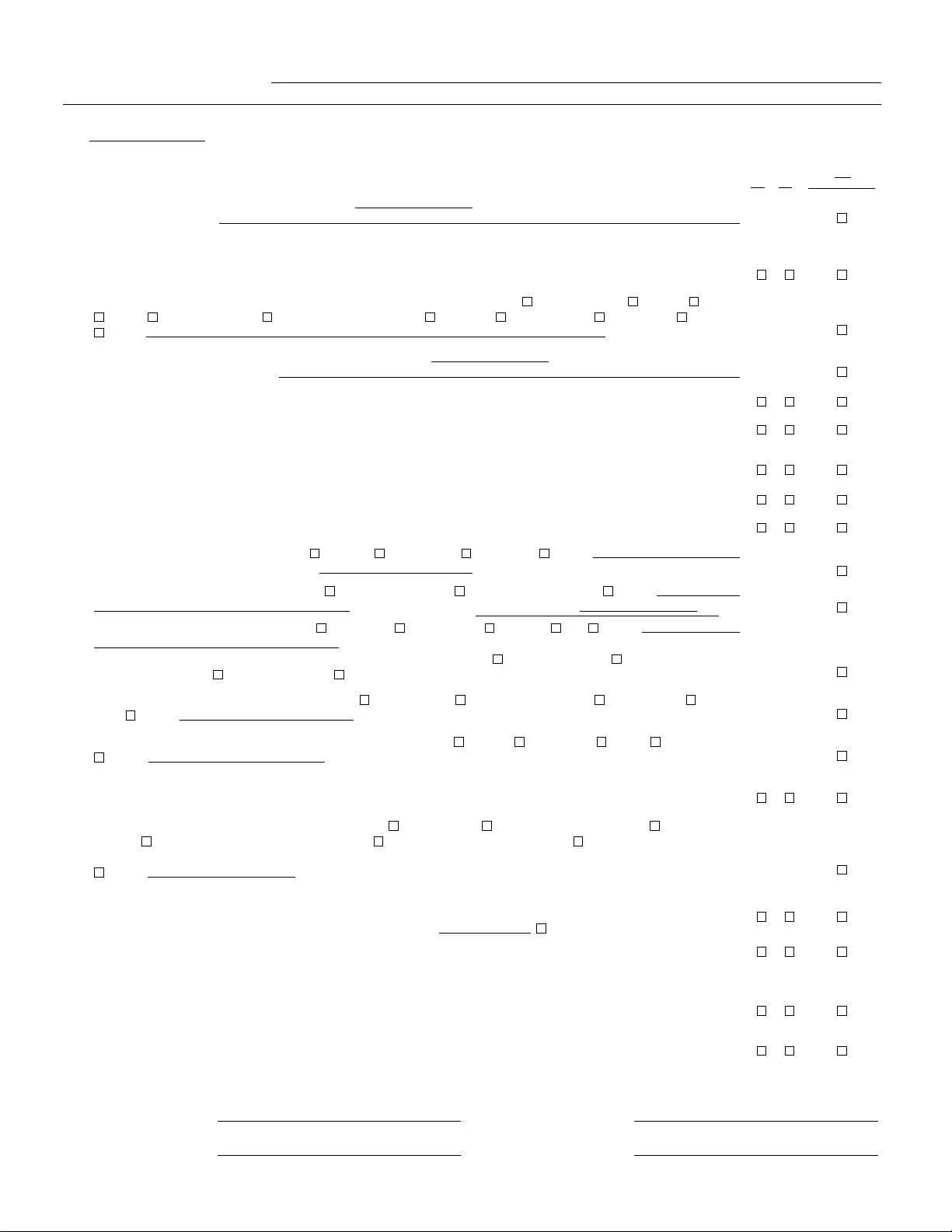
*If you answered “Yes” to question 33 above, you must complete the remainder of this Disclosure Statement. If you answered “No” or “No Representation” to question 33 above, you do not need to answer the remaining questions on this Disclosure Statement. Skip to the bottom of the last page and initial and date the page.
34. Are any fees charged by the association or by the association’s management company in connection with the conveyance or transfer of the lot or property to a new owner? If your answer is “yes,” please state the amount of the fees:
35. As of the date this Disclosure Statement is signed, are there any dues, fees, or special assessments which have been duly approved as required by the applicable declaration or bylaws, and that are payable to an association to which the lot is subject? If your answer is “yes,” please state the nature and amount of the dues, fees, or special assessments to which the property is subject:
36. As of the date this Disclosure Statement is signed, are there any unsatisfied judgments against, or pending lawsuits involving the property or lot to be conveyed? If your answer is “yes,” please state the nature of each pending lawsuit, and the amount of each unsatisfied judgment:
37. As of the date this Disclosure Statement is signed, are there any unsatisfied judgments against, or pending lawsuits involving the planned community or the association to which the property and lot are subject, with the exception of any action filed by the association for the collection of delinquent assessments on lots other than the property and lot to be conveyed? If your answer is “yes,” please state the nature of each pending lawsuit, and the amount of each unsatisfied judgment:
38. Which of the following services and amenities are paid for by the owners’ association(s) identified above
out of the association’s regular assessments (“dues”)? (Check all that apply).
Management Fees..........................................................................................................................................
Exterior Building Maintenance of Property to be Conveyed..........................................................................
Master Insurance...........................................................................................................................................
Exterior Yard/Landscaping Maintenance of Lot to be Conveyed....................................................................
Common Areas Maintenance........................................................................................................................
Trash Removal...............................................................................................................................................
Recreational Amenity Maintenance (specify amenities covered)
Pest Treatment/Extermination.......................................................................................................................
Street Lights..................................................................................................................................................
Water.............................................................................................................................................................
Sewer............................................................................................................................................................
Storm water Management/Drainage/Ponds...................................................................................................
Internet Service.............................................................................................................................................
Cable.............................................................................................................................................................
Private Road Maintenance.............................................................................................................................
Parking Area Maintenance.............................................................................................................................
Gate and/or Security......................................................................................................................................
Other: (specify)
Buyer Initials and Date |
|
Owner Initials and Date |
Buyer Initials and Date |
|
Owner Initials and Date |
REC 4.22 |
Page 4 of 4 |
REV 8/21 |
|
| Fact Name | Description |
|---|---|
| Governing Law | The North Carolina Residential Property Disclosure Act (G.S. 47E) governs the requirements for the Disclosure Statement. |
| Required Disclosure | Property owners must provide this form to buyers during the sale of residential real estate, including single-family homes and condos. |
| Exemptions | Some transactions, like the first sale of a never-inhabited dwelling, do not require a Disclosure Statement. |
| Timely Delivery | Owners must deliver the completed Disclosure Statement to buyers no later than when an offer is made to purchase the property. |
Filling out the North Carolina Disclosure Statement form is an important step in the process of selling residential property. By completing this form accurately, you ensure that potential buyers have the necessary information to make informed decisions. Below are the steps to guide you through filling out the form.
Once you have filled out the form, ensure that you have provided it to the buyer in a timely manner. This allows them to review the information before making an offer, which is crucial for a smooth transaction.
The North Carolina Disclosure Statement is a document required by the Residential Property Disclosure Act. It serves to inform potential buyers about the condition and characteristics of a residential property. This form must be provided by the property owner when selling single-family homes, condominiums, townhouses, or any building with up to four dwelling units. Its primary aim is to ensure transparency in real estate transactions, allowing buyers to make informed decisions based on the property's known issues or features.
Property owners are responsible for completing the Disclosure Statement. This includes individuals selling single-family homes, condominiums, townhouses, or small multi-family buildings. Even if a licensed real estate broker is involved in the sale, the owner must still provide this document to the buyer. The owner must answer each question truthfully based on their actual knowledge of the property. If an owner is aware of any issues and fails to disclose them, they may face legal consequences for misrepresentation.
It is crucial for the owner to provide the completed Disclosure Statement to the buyer no later than when the buyer makes an offer to purchase the property. If the owner fails to do so, the buyer may have the right to cancel the contract without any penalty. To exercise this right, the buyer must deliver written notice of cancellation to the owner or the owner’s agent within three calendar days of receiving the Disclosure Statement or three days following the contract date, whichever comes first. However, this cancellation option does not apply after the transaction has settled or if the buyer has moved into the property.
The Disclosure Statement requires property owners to disclose various aspects of the property, including:
Owners must answer each question based on their actual knowledge. If they check "Yes" for any issue, they must provide an explanation or attach a relevant report. If they check "No," they affirm they have no knowledge of any problems. Choosing "No Representation" means the owner is opting not to disclose any known issues.
Filling out the North Carolina Disclosure Statement form can be a straightforward process, but there are common mistakes that can lead to complications. Understanding these pitfalls is essential for property owners to avoid potential legal issues and ensure a smooth transaction.
One frequent error is failing to answer every question on the form. Each question is designed to gather important information about the property. Leaving questions unanswered can create confusion and may lead to liability issues later on. It’s crucial to respond to all inquiries, even if the answer is "No" or "No Representation."
Another mistake involves misrepresenting knowledge about the property. When you check "No" for a question, it indicates that you have no actual knowledge of any problems. If you are aware of an issue but still check "No," you could be held liable for making a false statement. Always be honest about what you know.
Providing vague explanations when answering "Yes" can also be problematic. If you check "Yes" to any question, it is necessary to provide a clear and detailed explanation of the issue. Simply stating "there's a problem" without specifics does not fulfill your obligation and may raise further questions from potential buyers.
Additionally, many property owners forget to attach necessary documentation when required. If there is a report from an expert related to a problem, it should be included with the Disclosure Statement. Not doing so could lead to misunderstandings about the condition of the property.
Some owners mistakenly believe that their real estate broker is responsible for the Disclosure Statement. While brokers can assist, the ultimate responsibility lies with the property owner. Ensure that you complete and deliver the form to the buyer, even if a broker is involved in the sale.
Another common oversight is not providing the completed Disclosure Statement to the buyer in a timely manner. The law requires that it be given no later than when the buyer makes an offer. Delays can jeopardize the transaction and may give the buyer grounds to cancel the contract.
Many individuals also overlook the importance of signing the form. Both the property owner and the buyer should sign and date the Disclosure Statement. This step is crucial for validating the document and protecting both parties.
Finally, some owners fail to update the Disclosure Statement if any changes occur after it has been completed. If new issues arise, such as a leaking roof, it is essential to provide an updated statement to the buyer promptly. Neglecting to do so can lead to significant repercussions.
Being aware of these common mistakes can help property owners navigate the Disclosure Statement process more effectively. By taking the time to fill out the form accurately and thoroughly, you can foster trust with potential buyers and protect yourself from future liabilities.
The North Carolina Disclosure Statement form is an essential document for real estate transactions involving residential properties. It provides vital information about the condition and characteristics of the property. Along with this form, several other documents may be required or beneficial during the sale process. Below is a list of commonly used forms and documents that complement the North Carolina Disclosure Statement.
These documents work together to provide a comprehensive view of the property and the terms of the sale. Being informed about each form can help both buyers and sellers navigate the transaction process more smoothly.
The North Carolina Residential Property and Owners’ Association Disclosure Statement serves a critical role in real estate transactions. Several other documents share similar objectives, focusing on transparency and disclosure in property dealings. Below are four documents that are comparable to the NC Disclosure Statement, along with explanations of their similarities.
When filling out the North Carolina Disclosure Statement form, there are important guidelines to follow. Here’s a list of things you should and shouldn't do:
Understanding the North Carolina Disclosure Statement form can be challenging, and several misconceptions often arise. Here are eight common misunderstandings about this important document:
Many people believe that providing a Disclosure Statement is optional. In reality, it is a legal requirement for sellers of residential properties in North Carolina, including single-family homes and buildings with up to four units.
Sellers are only required to disclose problems they have actual knowledge of. They are not liable for issues they are unaware of, as long as they have filled out the form honestly.
When a seller checks "No," they are stating they have no actual knowledge of problems. However, if they know of an issue and still check "No," they could be held liable for misrepresentation.
Some buyers mistakenly think that the Disclosure Statement serves as a warranty for the property. It does not guarantee the condition of the property; it simply provides information based on the seller’s knowledge.
If a seller fails to provide the Disclosure Statement by the time the buyer makes an offer, the buyer may cancel the contract within a specified timeframe. This is a crucial protection for buyers.
While real estate agents can assist, the responsibility for completing and delivering the Disclosure Statement lies solely with the property owner. Agents must also disclose any known material facts.
Although it primarily applies to residential properties, the Disclosure Statement is also relevant for individual condominiums and townhouses. It is not limited to single-family homes.
Some transactions, such as the first sale of a newly constructed dwelling or certain lease agreements, are exempt from the requirement. Sellers should be aware of these exemptions to avoid unnecessary disclosures.
Here are some important points to keep in mind when filling out and using the North Carolina Disclosure Statement form: