
The NCAA bracket form serves as a critical tool for fans, participants, and analysts during the annual NCAA basketball tournament, commonly known as March Madness. This form allows individuals to predict the outcomes of the tournament's matchups, which consist of 68 teams competing in a single-elimination format. Participants fill out the bracket by selecting winners for each game, progressing through the rounds until they ultimately choose a champion. The structure of the bracket is designed to accommodate various regions, each containing a set of teams seeded based on their performance throughout the season. Additionally, the bracket form often includes spaces for participants to indicate their confidence in each prediction, adding an element of strategy to the process. As the tournament unfolds, the excitement surrounding the bracket intensifies, drawing in casual viewers and die-hard fans alike, all eager to see how their predictions align with the actual outcomes of the games.
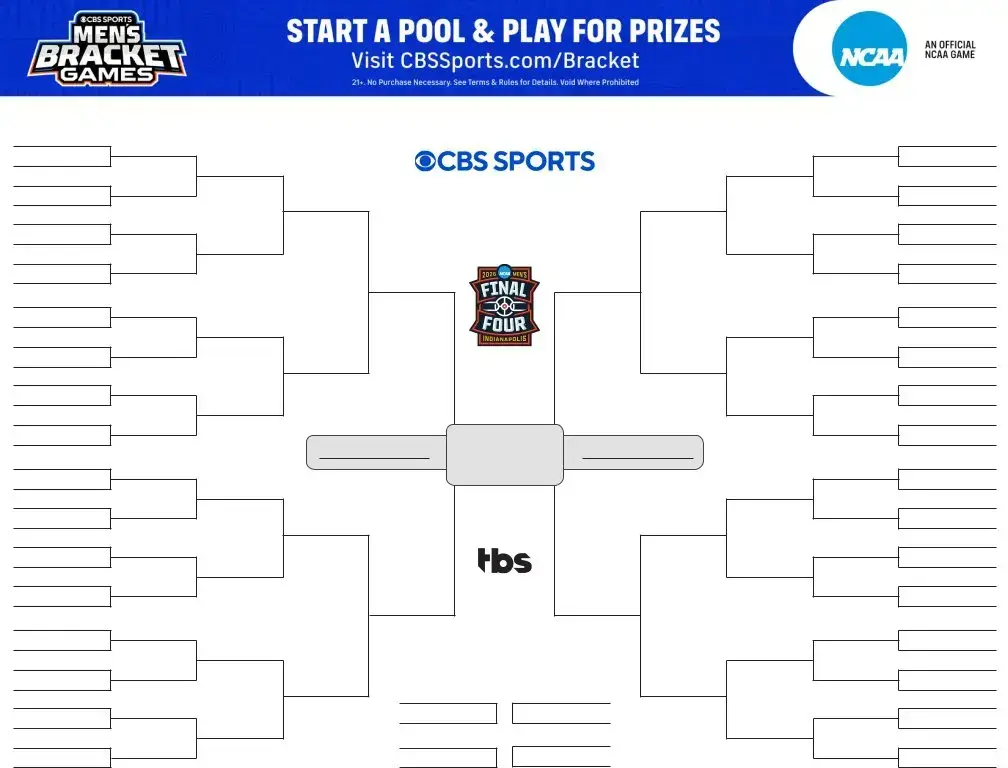
First Round |
Second Round |
Sweet 16 |
Elite 8 |
Final Four |
National Championship |
Final Four |
Elite 8 |
Sweet 16 |
Second Round |
First Round |
March |
March |
March |
March |
April 4 |
April 6 |
April 4 |
March |
March |
March |
March |
2026 Men’s NCAA Bracket
National
Championship
Indianapolis, IN
April 6
First Four
March
| Fact Name | Details |
|---|---|
| Definition | The NCAA bracket form is a tool used for organizing and tracking tournament selections in college basketball. |
| Purpose | It allows participants to predict the outcomes of games and compete against others based on their selections. |
| Eligibility | Participants must be at least 18 years old to enter most NCAA bracket challenges. |
| Governing Laws | In many states, gambling laws apply. Check local regulations regarding contests and bracket pools. |
| Prizes | Some brackets offer cash prizes or merchandise for top performers, subject to state laws. |
| Submission Deadline | Brackets typically must be submitted before the tournament starts, often by a specified date and time. |
Filling out the NCAA bracket form can be an exciting way to engage with the tournament. Whether you're a seasoned fan or a newcomer, following these steps will help you complete your bracket efficiently. Let’s dive into the process.
Now that your bracket is complete, get ready to follow the tournament and see how your predictions play out. Enjoy the excitement and camaraderie that comes with this thrilling event!
The NCAA bracket form is a structured document used to track and predict the outcomes of games during the NCAA basketball tournament. Participants fill out the bracket by selecting teams they believe will win each matchup, progressing through the rounds until a national champion is crowned.
To fill out the bracket, follow these steps:
The NCAA tournament typically takes place in March and early April. The exact dates may vary each year, so it is important to check the NCAA's official schedule for the specific timing.
Yes, many organizations and websites host bracket challenges where participants can compete against others. You usually need to create an account and submit your bracket by a specified deadline to be eligible for prizes or recognition.
If a game goes into overtime, the outcome still counts toward your bracket predictions. The team you selected as the winner will receive the win, regardless of how many overtime periods are played.
While there is no guaranteed method for success, consider the following strategies:
If you realize you've made a mistake, check the rules of the challenge you are participating in. Some allow changes before the tournament starts, while others may lock in your selections once submitted. Always double-check your work to avoid errors before the deadline.
Filling out an NCAA bracket can be an exciting yet challenging task. Many people look forward to this annual event, but it’s easy to make mistakes along the way. Understanding common pitfalls can enhance your experience and possibly improve your chances of success.
One frequent mistake is not doing enough research on the teams. While it’s tempting to rely solely on gut feelings or team colors, taking the time to understand each team's strengths and weaknesses can make a significant difference. Look at their season performance, player statistics, and any injuries that may impact their game. This information can provide valuable insights that help in making informed choices.
Another common error is overvaluing higher seeds. Many people assume that the higher-seeded teams will always win, but upsets are a hallmark of the NCAA tournament. Historically, lower-seeded teams have pulled off surprising victories. It’s wise to consider the potential for upsets and not to overlook teams that may be underdogs but have shown resilience throughout the season.
Many individuals also fall into the trap of filling out their brackets too quickly. The excitement of the tournament can lead to hasty decisions. Taking the time to analyze matchups and reflect on choices can prevent regrettable mistakes. It’s often beneficial to step away for a moment and return with a fresh perspective.
Additionally, some people forget to consider the overall structure of the tournament. Each region has its own dynamics, and understanding how teams might match up later in the tournament is crucial. For instance, a team that performs well in the early rounds may face a much tougher opponent in the later rounds. Planning ahead can help create a more strategic bracket.
Another mistake is ignoring personal biases. Fans often favor their favorite teams, which can cloud judgment. While loyalty is admirable, it’s essential to evaluate teams objectively. A well-balanced approach that considers both personal favorites and statistical analysis can lead to better outcomes.
Finally, many people overlook the importance of keeping track of updates. Injuries, player changes, and other developments can occur right up until the tournament begins. Staying informed about these changes can significantly impact your bracket. Make sure to check the latest news and updates before finalizing your selections.
By avoiding these common mistakes, you can enhance your NCAA bracket experience. Take your time, do your research, and remember to enjoy the process. After all, the tournament is about more than just winning; it's about the thrill of the game.
The NCAA bracket form is a popular document used during the college basketball tournament. However, several other forms and documents are often utilized alongside it. These documents help in organizing, tracking, and managing the tournament experience. Below is a list of these essential documents.
These documents enhance the overall experience of participating in the NCAA tournament. They ensure that everyone involved has clear information and guidelines, making the event enjoyable and organized.
Filling out an NCAA bracket can be an exciting yet challenging task. To help you navigate this process, here are some important dos and don'ts to keep in mind:
Understanding the NCAA bracket form can be challenging due to various misconceptions. Here are nine common misunderstandings, along with clarifications to help you navigate the process effectively.
Many believe that only seasoned sports fans can fill out a bracket. In reality, anyone can participate, regardless of their knowledge level.
Some think that every game must be predicted. While it is encouraged to make predictions for all matchups, you can skip games if you are unsure.
While the NCAA tournament is the most popular, brackets can be created for various sports events, including other college tournaments and professional leagues.
Many assume that once a bracket is submitted, it cannot be altered. However, most platforms allow changes until the tournament begins.
It is a common belief that higher seeds always win. Upsets happen frequently in tournaments, making it essential to consider all teams.
Some people think that participating in brackets requires a fee. Many free options exist, allowing anyone to join without financial commitment.
While many fill out brackets for enjoyment, they can also be part of serious competitions with prizes and rankings.
Not all brackets function identically. Some may have different scoring systems or rules, so it’s important to read the guidelines for each specific bracket.
Winning a bracket does not solely depend on expert knowledge. Luck plays a significant role, and even casual fans can create winning brackets.
By addressing these misconceptions, participants can approach the NCAA bracket form with confidence and clarity.
Filling out and using the NCAA bracket form can be an exciting and strategic process. Here are five key takeaways to keep in mind: