The Texas Temporary Restraining Order (TRO) form serves as a crucial legal document designed to protect individuals, particularly children, during contentious family disputes. This form is initiated by the Petitioner, who requests immediate relief from the court due to concerns about potential harm or disruption caused by the Respondent. The TRO outlines essential details such as the cause number, court information, and the names of the children involved, ensuring that all relevant parties are accurately identified. It includes specific prohibitions against the Respondent, such as disturbing the peace, withdrawing children from school, or engaging in harmful behaviors, thereby safeguarding the children's well-being. The order is effective immediately and remains in place until further court action is taken or it naturally expires. Additionally, the form mandates that the Respondent appear in court with necessary financial documentation, which aids in determining temporary conservatorship and child support arrangements. This structured approach not only facilitates a swift judicial response but also emphasizes the importance of protecting vulnerable family members while the legal process unfolds.
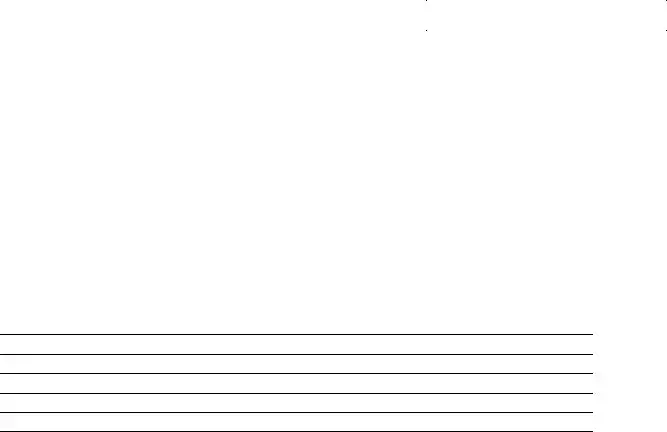
[Fill in Cause number and court information exactly as it is written on your Petition.]
In the interest of (List children): |
§ |
|
|
|
|||
|
|
|
§ |
|
|
|
|
1 |
Name: |
|
|
§ CAUSE NO: |
|
|
|
|
|
|
|||||
2 |
Name: |
|
§ |
|
|
|
|
|
|
|
|
||||
3 |
Name: |
|
|
|
|
|
|
|
|
§ In the __________ District County Court of: |
|||||
|
|
||||||
4 |
Name: |
|
§ |
|
|
County, Texas |
|
|
|
|
|
|
|
||
|
|
|
|
|
|
|
|
TEMPORARY RESTRAINING ORDER
AND ORDER TO APPEAR FOR TEMPORARY ORDERS HEARING
Today, Petitioner, _____________________________, requested temporary restraining orders.
[PRINT Petitioner’s first and last names.]
Respondent is _______________________________________________________________.
|
[PRINT Respondent’s first and last names.] |
|
|
The following children are the subject of this suit. |
|
|
|
Child’s name |
Sex Date of Birth |
Place of Birth |
Current Address |
1
2
3
4
5
6
The Court read Petitioner’s pleadings and affidavit and finds Petitioner is entitled to a temporary restraining order. The Court finds Respondent will commit the prohibited acts listed below before notice of the hearing on temporary injunction can be served and a hearing can be held, unless Respondent is immediately restrained.
IT IS THEREFORE ORDERED that the clerk of this Court issue a temporary restraining order restraining Respondent, and that in it Respondent shall not:
Disturb the peace of the children or another party.
Withdraw the children from the school or
Hide the children from Petitioner.
© Texas Partnership for Legal Access – SAPCR TRO, Aug. 2009 |
|
Texas Family Code, Chapter 151 |
Page 1 of 3 |
Talk badly about Petitioner or Petitioner’s family to, or around, the children.
Drink alcohol or consume controlled substances within 12 hours before or during a period of possession or access to the children.
Cancel, change, fail to pay premiums, or disturb the present level of health insurance coverage for the children.
This restraining order is effective immediately and shall continue until further order of this Court or until it expires by operation of law. This order binds Respondent, Respondent’s agents, servants, and employees; and those in active concert or participation with them who receive actual notice of this order by personal service or otherwise. No bond is required.
IT IS FURTHER ORDERED that the clerk shall issue notice to Respondent,
__________________________________________, to appear, and Respondent is ORDERED
[PRINT Respondent’s first and last names.]
to appear in person, and to bring the following:
●tax returns for the past two years,
●a written description of his or her monthly income and expenses, and
●pay stubs for the past three months.
Respondent IS ORDERED to appear with those documents before the Court in the courthouse at
________________________________________________________________________.
[PRINT the street address of the courthouse or place for hearing.]
on _____________________________________________ at _______________ __. M.
[PRINT hearing date.] |
[PRINT time.] |
The purpose of the hearing is to decide if the temporary restraining order should be made a temporary injunction while this case is pending, and to make temporary orders in the best interest of the children including but not limited to the following:
Temporary Conservatorship (custody) orders naming Petitioner:
Joint Managing Conservator, with the exclusive right to establish the children’s primary residence,
Joint Managing Conservator, noncustodial parent,
Possessory Conservator,
© Texas Partnership for Legal Access – SAPCR TRO, Aug. 2009 |
|
Texas Family Code, Chapter 151 |
Page 2 of 3 |

and naming Respondent: [CHECK only one.]
Joint Managing Conservator, with the exclusive right to establish the children’s primary residence,
Joint Managing Conservator, noncustodial parent,
Possessory Conservator
Child Support Orders ordering Respondent to:
pay statutory child support, health insurance premiums for the children, and half of the children’s uninsured medical expenses, private school tuition, or
Residency Restrictions, limiting the children’s residence to the following geographic area: __________________________________________________________________
Travel Restrictions, limiting Respondent from taking the children outside a geographical area defined by the Court, acting directly or with others.
Standard Visitation Orders.
Limited Visitation Orders, denying Respondent’s access to the children, or limiting it to only supervised contact with the children.
Other Temporary Orders Requested
_____________________________________________________________________
_____________________________________________________________________
_____________________________________________________________________
_____________________________________________________________________
IT IS FURTHER ORDERED that any authorized person eighteen years of age or older who is not a party to or interested in the outcome of this suit may serve any citation, notice, or process in this case.
SIGNED on _________________________________ at ____________________ __. M.
|
___________________________________ |
|
JUDGE PRESIDING |
© Texas Partnership for Legal Access – SAPCR TRO, Aug. 2009 |
|
Texas Family Code, Chapter 151 |
Page 3 of 3 |
| Fact Name | Description |
|---|---|
| Governing Law | The Texas Temporary Restraining Order is governed by the Texas Family Code, Chapter 151. |
| Immediate Effect | This order takes effect immediately and remains in place until further court order or expiration by law. |
| Prohibited Acts | The order prohibits the Respondent from disturbing the peace of the children, withdrawing them from school, or hiding them from the Petitioner. |
| Hearing Requirement | A hearing is required to determine if the temporary restraining order should be converted into a temporary injunction. |
| No Bond Required | No bond is required for the issuance of the temporary restraining order, making it more accessible for the Petitioner. |
After you have gathered the necessary information and documents, you will need to fill out the Texas Temporary Restraining Order form accurately. This form is crucial for initiating legal proceedings and ensuring that your requests are clearly communicated to the court. Follow these steps to complete the form effectively.
A Texas Temporary Restraining Order is a legal tool used to protect individuals, especially children, from potential harm. It is issued by a court to prevent a respondent from taking certain actions that could negatively affect the petitioner or the children involved. This order is effective immediately and remains in place until a hearing can be held to determine if it should continue as a temporary injunction.
Any individual who feels threatened or believes that immediate action is necessary can request a TRO. Typically, this includes parents or guardians seeking protection for their children. The petitioner must provide evidence or an affidavit to the court showing why the order is necessary.
The TRO places several important restrictions on the respondent. They are prohibited from:
Once a TRO is issued, the court will schedule a hearing where both the petitioner and respondent can present their cases. The respondent will be ordered to appear in court and bring specific documents, such as tax returns and pay stubs. This hearing will determine if the TRO should become a more permanent temporary injunction.
A Texas Temporary Restraining Order lasts until the court issues a further order or until it expires by law. It is crucial for the petitioner to attend the scheduled hearing to discuss the case further and establish any necessary ongoing protections.
Filling out the Texas Temporary Restraining Order form can be a crucial step in protecting yourself and your children. However, many individuals make mistakes that can delay the process or even jeopardize their case. One common error is failing to accurately fill in the cause number and court information. This information must match exactly what is written on your Petition. Any discrepancies can lead to confusion and delays.
Another mistake is neglecting to list all relevant children involved in the case. It's important to provide the names of each child clearly. Omitting a child's name may create issues later on, especially if that child is affected by the restraining order. Additionally, some people forget to include the current address and other identifying details for each child. This information is essential for the court's understanding of the situation.
When identifying the Petitioner and Respondent, ensure that both names are printed clearly and completely. Mistakes in spelling or incomplete names can lead to complications. Furthermore, individuals often overlook the need to provide a detailed description of the prohibited acts. The form specifies certain behaviors that must be listed, and failing to do so can weaken your case.
Another frequent error involves the section regarding the appearance of the Respondent. It is crucial to provide the correct date, time, and address for the hearing. Miscommunication in these details can result in the Respondent not appearing in court, which could affect the outcome of your request.
People sometimes forget to include necessary documentation that the Respondent must bring to the hearing. This includes tax returns, income statements, and pay stubs. Not specifying these requirements can lead to delays in obtaining the necessary information for the court's review.
Additionally, individuals may mistakenly leave out important details regarding temporary orders requested. Whether it’s about child support, conservatorship, or visitation rights, every request should be clearly outlined. Failing to specify these can lead to misunderstandings or inadequate orders from the court.
Finally, it’s essential to remember that the form must be signed by the judge. Some individuals may forget this crucial step, which can render the order ineffective. Ensuring all sections are filled out completely and accurately will help facilitate a smoother process.
Taking the time to carefully review each section of the Texas Temporary Restraining Order form can make a significant difference. Avoiding these common mistakes will help protect your rights and the well-being of your children.
When filing a Texas Temporary Restraining Order (TRO), there are several other forms and documents that are often necessary to support your case. These documents help clarify the circumstances and ensure that all parties involved understand their rights and responsibilities. Below is a list of commonly used forms that accompany a TRO.
Each of these documents plays a crucial role in the legal process surrounding a Temporary Restraining Order in Texas. Ensuring that all necessary forms are completed accurately and submitted on time can significantly impact the outcome of your case.
When filling out the Texas Temporary Restraining Order form, consider the following do's and don'ts:
Here are some key takeaways for filling out and using the Texas Temporary Restraining Order form:
Following these steps will help ensure that the process goes smoothly and that the best interests of the children are prioritized.